
Tick Bite ER Visits Are Climbing: What Colorado Homeowners Need to Know
We get calls from homeowners along the Front Range who are surprised they even have to think about ticks in Colorado. They picture ticks as an East Coast problem — something you deal with in the woods of New England, not in your backyard in Loveland or Estes Park.
But at EnviroPest, we've been treating Colorado properties for ticks long before the national headlines started piling up.
CDC data from its Tick Bite Tracker shows that tick bite-related emergency room visits across the U.S. have hit some of the highest seasonal levels in nearly a decade. That includes most regions of the country — and while Colorado's tick situation looks different from the East Coast, the risk is still real for families spending time outdoors along the Front Range and in the foothills.
What the CDC Data Actually Shows
The CDC tracks emergency department visits tied to tick bites on a weekly basis. According to their most recent data, ER visits for tick bites are running more than double the historical seasonal average across most U.S. regions.
Children under 10 and adults between 70 and 79 are seeing the highest rates. That makes sense when you think about it — kids are low to the ground and love playing in grass and brush, and older adults often spend time gardening or walking trails where ticks are active.
The Northeast and Midwest are seeing the sharpest spikes, but the trend is national. Tick populations have been expanding their range for years, and warmer seasonal patterns are giving them more time to stay active.
Colorado's Tick Situation Is Different — but Still Serious
One thing most Colorado homeowners don't realize is that Lyme disease is not considered established in Colorado because the blacklegged tick that spreads it is not known to have established populations here. That's the good news.
The not-so-good news is that Colorado has its own set of tick-borne diseases that are serious enough to land someone in the ER.
Rocky Mountain spotted fever is the big one. Despite its name, it's not limited to the Rockies, but it absolutely occurs here — and it can become life-threatening without prompt treatment. Early symptoms look a lot like the flu: fever, headache, muscle aches. A rash often develops a few days later, but not always.
Colorado tick fever is more common in our area, especially at higher elevations. It causes a distinct pattern of fever that comes and goes over several days. Tularemia is another concern — it's less common but still shows up in Colorado, particularly in areas with heavy rodent and rabbit activity.
Living in Colorado Means More Tick Exposure Than You'd Think
Colorado's outdoor lifestyle is one of the best things about living here. It's also one of the reasons tick bites catch people off guard.
Hiking trails through foothill meadows, walking the dog along open space corridors, mountain biking through scrub oak and tall grass — these are everyday activities along the Front Range that put people directly in tick habitat. Rocky Mountain wood ticks, the most common species in our area, are especially active in the kind of terrain surrounding communities like Boulder, Fort Collins, and Colorado Springs.
Properties near natural areas and wildlife corridors often see the heaviest tick pressure. Deer, rabbits, and rodents carry ticks through these areas, and those ticks end up in your yard, your landscaping, and on your pets.
Even in more suburban neighborhoods, well-irrigated yards with mature landscaping and shaded mulch beds create the kind of moisture pockets ticks need to survive in Colorado's dry climate. We see this regularly on properties across the Denver metro and Northern Colorado.
Why Tick Activity Around Your Home Is Worth Taking Seriously
Most people associate tick bites with hiking or camping trips. But a lot of the tick exposure we hear about from Colorado homeowners happens much closer to home — in their own yards.
Kids playing in the grass, dogs rolling around near the fence line, afternoons spent gardening or relaxing on the patio. These are the moments when ticks latch on, especially in yards where wildlife frequently moves through nearby natural areas.
The national trend in tick bite ER visits is a reminder that ticks aren't just a minor nuisance. The diseases they carry in Colorado — including Rocky Mountain spotted fever — can develop quickly and require medical attention. Reducing tick activity around your home is one of the most practical ways to lower your family and pets' exposure risk.
That's where regular seasonal treatment makes the biggest difference. Instead of reacting after a tick bite happens, consistent yard treatments help keep tick populations low in the areas where your family spends the most time.
Reducing Tick Activity Starts in Your Own Yard
You can't eliminate every tick outdoors, but you can reduce tick activity around your yard and make encounters far less likely.
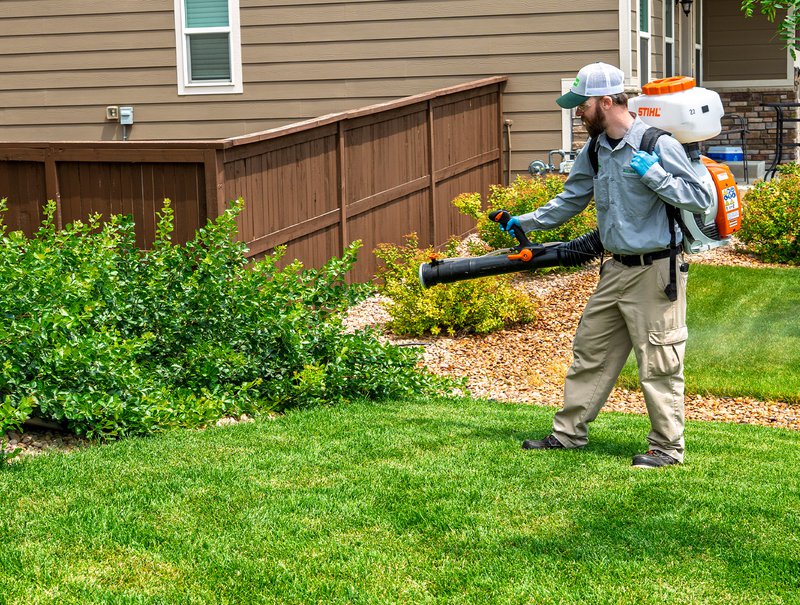
EnviroPest's mosquito and tick control program targets the areas where ticks rest and wait for hosts: shaded landscaping, lawn edges, ground cover, brush lines, and areas near structures. Treatments are performed monthly from May through September — the months when tick activity is at its peak along the Front Range.
The program is designed specifically for Colorado's seasonal tick pressure. It won't eliminate every tick that wanders through your yard, but it drastically reduces their numbers in the areas where your family and pets spend the most time.
If you're not sure whether your property has a tick problem, give EnviroPest a call. We serve homeowners across Denver, Boulder, Fort Collins, Loveland, Greeley, Colorado Springs, and surrounding Front Range communities.
Frequently Asked Questions About Ticks in Colorado
Should I save a tick after removing it?
It can be helpful. Placing the tick in a sealed bag or small container gives your doctor something to work with if you develop symptoms later. Rocky Mountain wood ticks and American dog ticks — the two most common species along the Front Range — are associated with different diseases, and knowing which one bit you can help guide treatment. If you don't have the tick, a photo taken before disposal works too.
Are tick treatments safe for pets and children?
Yes. EnviroPest's mosquito and tick treatments are applied to vegetation and resting areas around the yard. Our technicians let you know exactly when treated areas are safe to use again. In most cases, the yard is ready once the application has dried.
Do tick repellents work in Colorado's dry climate?
EPA-approved repellents containing DEET or picaridin can help when you're spending time outdoors in tick-prone areas. They work well as a personal layer of protection for hikes, yard work, and trail walks. But repellents wear off and only protect the person wearing them — they don't do anything about the tick population in your yard. For property-level protection, professional seasonal treatments are the most effective way to keep tick numbers down.
Should pets in Colorado be on tick prevention?
Many vets recommend keeping pets on a tick preventative in Colorado. Pets can easily pick up ticks outdoors and bring them into the home, especially around trails, open space, and residential yards with heavy vegetation.
Do ticks survive Colorado winters?
Some do. Rocky Mountain wood ticks go dormant during cold months and become active again once temperatures consistently reach the 40s. Brown dog ticks can survive indoors year-round if they've been brought inside by a pet. This is why many homeowners are surprised to find ticks on their dogs even outside of peak season.
Protect Your Family From Ticks With Help From EnviroPest
Tick bites are a growing concern across the country, and Colorado properties along the Front Range are not immune. EnviroPest's seasonal mosquito and tick control program helps reduce tick activity in your yard so your family can enjoy the outdoors with less worry.

Testimonials
GETTING STARTED IS AS EASY AS 1-2-3
REQUEST FREE ESTIMATE
Pest Solutions For Homes & Businesses
We understand that pest problems can be unsettling and frustrating, but the solution shouldn't be. For over 55 years, we've been helping folks right here in Colorado take care of ants, spiders, mice, mosquitoes, wasps, bed bugs, bats and most other creepy crawly things. We'll get there fast to solve the issue quickly and affordably - Guaranteed.


EnviroPest Blog & News

Why Are Spiders and Earwigs Showing Up Upstairs in Greeley Homes?

Why Crickets Are Getting Into Colorado Homes in Late Summer