
Common Summer Pest Problems Along Colorado’s Front Range
Summer across Colorado's Front Range means longer evenings on the patio, weekend hikes, and a whole lot more pest activity in and around your home. If you've noticed ants lining up along your kitchen counter or see wasps every time you step onto the deck, you're not imagining things—this is peak season for several of the most common household pests in the state.
At EnviroPest, summer is our busiest time of year for a reason. From Denver and Boulder to Colorado Springs and Northern Colorado communities like Fort Collins and Loveland, we hear from homeowners dealing with the same pests right now. Here's what's showing up, where to look, and what you can do about it.

Ants in the Kitchen (and the Patio, and the Garage)
Ants are one of the most common summer pest complaints across Colorado. Warm weather kicks their foraging into high gear. Once scouts locate food or moisture, more ants may quickly follow.
The species you're most likely dealing with depends a bit on where you live:
-
Odorous house ants are tiny, dark, and love kitchens. Crush one and you'll notice a rotten coconut smell—that's the giveaway.
-
Pavement ants nest in cracks along driveways, sidewalks, and patio edges. You'll see small mounds of sand pushed up through the joints.
-
Carpenter ants are bigger—about half an inch—and damage wood. They tend to show up around decks, window frames, and anywhere wood holds moisture.
In older Denver and Boulder neighborhoods with mature landscaping, mulch beds right next to the foundation give ants an easy bridge to your walls. Pulling mulch back a few inches and trimming branches that touch the house can make a noticeable difference.
Large black ants around damp or damaged wood may indicate carpenter ant activity nearby and are worth investigating early.
Cockroaches Turning Up in Kitchens and Bathrooms
Cockroach sightings often increase during summer, but the species and location matter.
German cockroaches are small, tan to light brown, with two dark stripes behind the head. They usually live and breed indoors, especially in warm areas near food and water, such as under refrigerators, behind dishwashers, and inside cabinets near sinks. Because they reproduce quickly, occasional sightings may indicate a nearby hidden population.
Other cockroach species may move indoors from crawl spaces, wall gaps, or outdoor debris during hot or dry weather. That is why proper identification is important before treatment begins.
Cockroaches can carry bacteria as they move between trash, plumbing areas, and food-preparation surfaces, so repeated sightings should be addressed promptly.
Wasps Are Nesting Under Your Deck, Eaves, and Porch
By July, wasp colonies that started small in May have grown into full-size nests. Paper wasps build those open, umbrella-shaped nests tucked under eaves, porch ceilings, and deck railings. Yellow jackets are sneakier—they nest underground or inside wall voids, and you might not know they're there until someone steps too close.
Baldfaced hornets build the large, enclosed grey nests you sometimes spot hanging from tree branches or under overhangs. They're aggressive when the nest is disturbed, so don't try to knock one down yourself.
The mid-summer spike in wasp activity comes down to colony growth. A single queen starts the nest in spring, but by July the colony has dozens—or hundreds—of workers foraging for food and defending the territory. That's why outdoor meals and sugary drinks draw more attention now than they did in early June.
If wasps are showing up around the deck, patio, or another frequently used area, there may already be a nest nearby that should be professionally inspected.
Earwigs Showing Up in the Bathroom and Basement
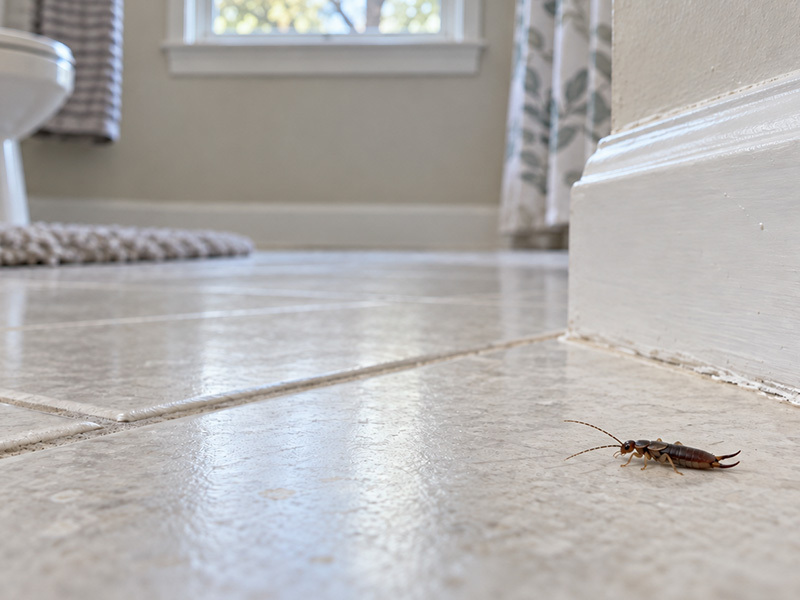
If you've been finding long, brown insects with pincers near your shower drain, under the bathroom mat, or in the basement—those are earwigs. They look alarming, but they're more of a nuisance than a threat and do not cause structural damage.
Earwigs are moisture-driven pests. In Colorado, they tend to spike indoors during stretches of heavy watering or after summer thunderstorms soak the ground near your foundation. They live under mulch, rocks, and landscape timbers and slip inside through gaps under doors or around utility pipes when conditions outside are either too wet or too dry.
If you're dealing with more than the occasional stray, here's why earwigs show up in Colorado homes and what actually stops them.
Spiders Moving Inside from the Heat
Summer often brings more noticeable spider activity as insect populations increase around homes. Wolf spiders are the big, fast ones that sprint across basement floors at night. House spiders build webs in corners, garages, and closets. And in some parts of the Front Range—especially garages, sheds, and storage areas—black widow spiders show up as temperatures climb.
Here's what most people don't realize: spiders follow their food. If ants, flies, and other small insects are getting into your home, spiders will follow. Reducing other pest activity around your house often lowers spider numbers, too.
If you've spotted a glossy black spider with a red hourglass marking in your garage or crawl space, here's what to do—and what not to do—about a black widow in the garage.
Mosquitoes and Ticks Around the Backyard
Colorado may not be the most humid state, but mosquitoes can still make summer evenings difficult to enjoy. Afternoon thunderstorms leave standing water in flowerpot saucers, clogged gutters, wheelbarrows, and low spots around the yard, giving mosquitoes places to breed.
Ticks are more likely to turn up around tall grass, wooded edges, shaded landscaping, and areas where pets or wildlife spend time. Trimming vegetation and removing standing water can help reduce favorable conditions, but they will not prevent every mosquito or tick from reaching the property.
EnviroPest's seasonal mosquito and tick control targets key areas around the property to help reduce activity from May through September.
When to Call EnviroPest
A few ants on the counter or a single earwig in the bathroom doesn't always mean you have a big problem. But if you're noticing any of the following, it's a good idea to contact EnviroPest for professional treatments:
-
Ants keep reappearing after you clean them up
-
Roach sightings in more than one room, or during the day
-
Large black ants near decks, porches, or window frames
-
Wasp nests near doorways, patios, play areas, pools, or high-traffic spots
-
Multiple earwigs are showing up daily in bathrooms, kitchens, or the basement
-
Spiders—especially black widows—in garages, crawl spaces, or storage areas
-
Mosquitoes are driving you indoors every evening
Trying to handle a wasp nest on your own is risky, and store-bought ant and roach sprays often kill only the pests you can see without reaching the nest or hidden population. Our trained technicians can identify the pest, locate the source, and treat it properly.
How EnviroPest Keeps Colorado Homes Pest-Free All Summer
Our Colorado's Choice Smart Service is built for exactly this time of year. It covers 30+ pests—including ants, cockroaches, spiders, earwigs, wasps, mice, and more—with four seasonal visits and 24/7 digital rodent monitoring.
For homeowners in Denver, Boulder, Colorado Springs, Fort Collins, Loveland, and the surrounding communities, our residential pest control plan is the simplest way to stay ahead of seasonal pest pressure rather than reacting to each new problem as it pops up.
Summer Pest FAQs
Do summer pests go away on their own once it cools down?
Some do, but others remain. Mosquito and wasp activity drops sharply after freezing weather, although overwintering wasp queens survive to start new colonies in spring. Ants, cockroaches, and spiders already indoors may stay through winter. Earwigs usually retreat outside as humidity drops, though some may remain in damp basements.
Can I prevent summer pests just by keeping a clean house?
No. Cleaning up food and spills, sealing gaps, managing moisture, and trimming landscaping can reduce pest attractants and entry points, but these steps may not prevent an infestation on their own.
Is it worth treating my yard for mosquitoes, or should I just use bug spray?
Bug spray can reduce bites, but it does not provide complete protection or lower mosquito activity throughout the yard. Professional treatments target key areas across the property to significantly reduce activity.
Keep Summer Pests Away With Help From EnviroPest
If pests are cutting into your summer fun, EnviroPest can help. We've been solving pest problems across Colorado for over 60 years, and our locally operated team is ready to get things under control quickly.
Contact us to request a free estimate—or give us a call to get started.
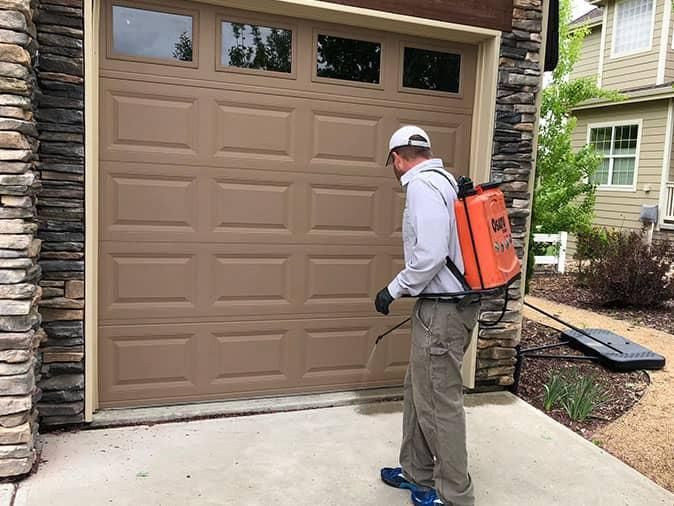
Colorado's Choice Smart Service
Our Colorado's Choice Smart Service is the most comprehensive home pest control plan EnviroPest targets 30+ pests and includes four seasonal visits and 24/7 digital rodent monitoring.
Pests covered under the Colorado's Choice Smart Service includes:
- Ants (Carpenter ants, odorous house ants, pavement ants, sugar ants)
- Beetles
- Centipedes
- Earwigs
- Mice
- Rats
- Spiders (House spiders, rock spiders, wolf spiders, black widow spiders)
- Wasps (Baldfaced hornets, paper wasps, yellow jackets)
Originally published July 18, 2023. Updated July 11, 2026.

Testimonials
GETTING STARTED IS AS EASY AS 1-2-3
REQUEST FREE ESTIMATE
Pest Solutions For Homes & Businesses
We understand that pest problems can be unsettling and frustrating, but the solution shouldn't be. For over 55 years, we've been helping folks right here in Colorado take care of ants, spiders, mice, mosquitoes, wasps, bed bugs, bats and most other creepy crawly things. We'll get there fast to solve the issue quickly and affordably - Guaranteed.


EnviroPest Blog & News
Why Are Spiders and Earwigs Showing Up Upstairs in Greeley Homes?
Why Crickets Are Getting Into Colorado Homes in Late Summer