
What Colorado Homeowners Should Know About Hantavirus and Deer Mice
Hantavirus has been showing up in the news a lot lately. A cruise ship outbreak near South America made headlines this month after several passengers contracted the virus and three people died. It was a scary story — and it got a lot of people Googling hantavirus for the first time.
Here’s an important detail that got buried in the coverage: that outbreak involved the Andes strain, a South American variant that can spread between people. That strain doesn’t exist in the U.S. The version we deal with in Colorado is Sin Nombre virus, and it only spreads through contact with rodent droppings, urine, or nesting material. No person-to-person risk at all. But that doesn’t mean Colorado homeowners can brush it off. Our state ranks second in the country for hantavirus cases, and the deer mice that carry it are common across the Front Range, the mountains, and the Western Slope.
At EnviroPest, we’ve been helping Colorado homeowners deal with rodent problems since 1965. Here’s what you should know about hantavirus and what actually works to keep mice out of your home.
What Is Hantavirus and How Do People Catch It?
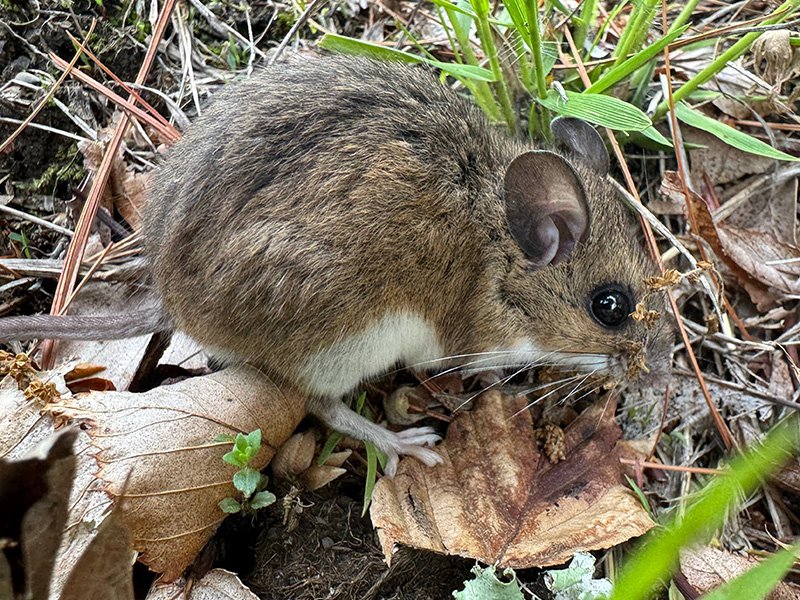
Hantavirus is a serious lung infection caused by a virus carried by deer mice. People become exposed through infected droppings, urine, and saliva — usually when contaminated particles get stirred into the air and breathed in.
Most people get exposed without realizing it. You open up a garage, shed, or cabin in the spring, start moving boxes around, and old droppings hidden in the space become airborne. You don't have to touch a mouse or even see one.
Early symptoms often feel like the flu — fever, fatigue, headaches, and body aches. But hantavirus can become severe very quickly, and there's currently no vaccine or specific cure. That's one reason rodent prevention matters so much in Colorado.
If you've spotted mouse droppings in your garage, attic, crawl space, or storage areas, avoid sweeping or vacuuming them. Disturbing contaminated droppings is one of the main ways the virus spreads through the air. Our team can help identify the problem safely and recommend the best next steps for your home.
Why Colorado Is a Hantavirus Hotspot
A lot of people assume hantavirus is a desert Southwest problem, and New Mexico does lead the country in total cases. But Colorado is right behind with 121 confirmed cases and 45 deaths since the CDC started tracking in 1993. Unlike most states, cases here aren't limited to one region. In 2024 alone, five more Coloradans were diagnosed and two didn't survive. The numbers are small year to year, but the fatality rate is what makes them alarming.
The reason is deer mice. They're the primary carrier, and roughly 15% of deer mice in the western U.S. are infected. Colorado's mix of rural land, mountain towns, and suburban neighborhoods that back right up to open space puts deer mice and people in close contact — more than most states.
Weld County has the most hantavirus cases of any county in Colorado. But it's not just a rural thing. Cases have popped up along the entire Front Range and throughout Northern Colorado. Even in areas like Denver and Boulder, deer mice show up in homes that border parks, trails, or undeveloped land.
We see deer mouse infestations frequently in Colorado homes. In older homes around Fort Collins and Loveland, they commonly nest in crawl spaces, garages, and wall voids — especially when firewood is stored close to the home. In foothill communities west of Boulder and around Estes Park, attics and outbuildings are some of the most common problem areas we inspect.
When Hantavirus Risk Is Highest in Colorado
Spring and early summer are typically the highest-risk times of year.
That's when homeowners start opening sheds, garages, cabins, and storage spaces that may have stayed closed through the winter. If deer mice have been nesting inside for months, droppings and urine can build up quickly.
The moment boxes get moved around or dusty areas get disturbed, contaminated particles can enter the air.
This is one reason many Colorado homeowners schedule rodent inspections before spring cleaning season begins — especially in homes near open space, foothills, or wooded areas. Finding rodent activity early can help prevent a much larger problem later.
Where Deer Mice Hide in Colorado Homes
Deer mice are mostly active at night and usually stay hidden in quiet parts of the home. Attics, crawl spaces, garages, utility areas, and basements are some of the most common places we find activity in Colorado homes.
Homeowners often discover the problem after noticing droppings, nesting material, or scratching sounds inside walls or ceilings at night. During inspections, we also frequently find hidden activity inside insulation, storage areas, and wall voids where deer mice can stay unnoticed for long periods.
Deer mice are especially common in homes near fields, foothills, open space, and undeveloped land throughout Colorado.
Why Rodent-Proofing Is the Best Defense Against Hantavirus
When it comes to hantavirus, prevention is key.
Traps and bait can help reduce mice already inside the home, but they don't solve the real issue if rodents can still get indoors. Deer mice can squeeze through openings as small as a dime, which means tiny gaps around foundations, rooflines, vents, garage doors, and utility penetrations can all become entry points.
That's where rodent-proofing — also called exclusion — makes such a difference.
Professional exclusion focuses on sealing the openings mice use to enter your home in the first place. Instead of constantly reacting to new rodent activity, you're stopping the problem at the source.
For homes throughout Denver, Boulder, Fort Collins, Colorado Springs, and the Front Range, long-term exclusion is an effective way to reduce recurring rodent problems and lower the risk of exposure to contaminated droppings.
How EnviroPest Rodent-Proofs Colorado Homes
Our Enviro Guard service starts with a full inspection of your home's exterior and problem areas. We inspect foundations, rooflines, vents, eaves, garages, utility penetrations, crawl spaces, and other vulnerable areas where rodents commonly enter.
From there, we seal accessible entry points using professional-grade exclusion materials designed for long-term durability. Depending on the home, that may include screening, hardware materials, weather stripping, sealants, netting, and reinforced barriers around vulnerable openings.
We also offer smart home pest control with digital rodent monitoring using Anticimex SMART technology. The system monitors rodent activity 24/7 and alerts our team when activity is detected, helping catch problems early before infestations grow.
What to Do if You Find Rodent Droppings
If you discover droppings in an attic, garage, crawl space, shed, or storage area, avoid sweeping or vacuuming them. Disturbing contaminated droppings can send particles into the air where they can be inhaled.
For anything beyond a very small, isolated cleanup, professional remediation is usually the safer option.
One of the biggest problems we encounter in Colorado homes is hidden contamination inside attic insulation, wall voids, and crawl spaces. Deer mice often nest in areas homeowners rarely see, and contaminated insulation can continue affecting the home long after rodents are gone.
Our team handles contaminated materials using protective equipment and professional disinfection methods. We also provide attic cleanup, insulation removal and replacement, waste removal, and exclusion work to help prevent future infestations.
If you're finding rodent droppings inside your home, it's a good idea to address the problem before populations grow larger or contamination spreads further.
Frequently Asked Questions About Hantavirus in Colorado
Can deer mice get into newer homes?
Yes. Even newer homes can have small gaps around rooflines, garage doors, vents, siding joints, and utility penetrations. We regularly find deer mouse activity in newer construction throughout the Front Range, especially in neighborhoods built near open land or foothills.
Are mountain homes at higher risk for hantavirus?
Mountain and foothill homes often experience more deer mouse activity because they're closer to natural rodent habitat. Seasonal cabins, vacation homes, sheds, and outbuildings that sit vacant for long periods can be especially vulnerable.
Do deer mice stay active during Colorado winters?
Yes. Deer mice stay active year-round and often move indoors during colder weather searching for warmth, food, and shelter. By spring, homeowners sometimes discover established nesting activity in garages, attics, and crawl spaces.
Can rodents contaminate attic insulation?
Absolutely. Deer mice commonly nest inside attic insulation and leave droppings and urine throughout the material. Over time, contaminated insulation can affect indoor air quality and create lingering odors. EnviroPest offers insulation removal, sanitization, and replacement for heavily contaminated attics.
Protect Your Colorado Home from Deer Mice and Hantavirus
Hantavirus may be rare, but Colorado homeowners face a higher risk than most of the country because deer mice are so common throughout the state.
The most effective way to reduce hantavirus risk is to keep deer mice from getting inside your home in the first place.
EnviroPest has been helping protect homes across the Denver metro and Northern Colorado since 1965. Whether you need a rodent inspection, exclusion work through Enviro Guardor ongoing protection, our team is here to help.
Contact EnviroPest today to schedule a rodent inspection or learn more about protecting your home from deer mice.

Testimonials
GETTING STARTED IS AS EASY AS 1-2-3
REQUEST FREE ESTIMATE
Pest Solutions For Homes & Businesses
We understand that pest problems can be unsettling and frustrating, but the solution shouldn't be. For over 55 years, we've been helping folks right here in Colorado take care of ants, spiders, mice, mosquitoes, wasps, bed bugs, bats and most other creepy crawly things. We'll get there fast to solve the issue quickly and affordably - Guaranteed.


EnviroPest Blog & News
Why Are Spiders and Earwigs Showing Up Upstairs in Greeley Homes?
Why Crickets Are Getting Into Colorado Homes in Late Summer