
What Is the Best Way to Get Rid of Ants in My Colorado Home?
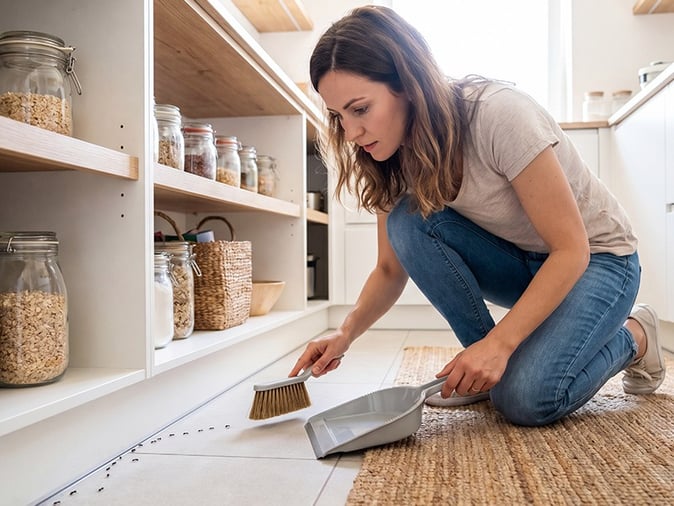
A Weld County homeowner recently contacted EnviroPest with a frustrating problem: ants were showing up inside and outside the house, even though the family cleaned regularly. With three young kids at home, vacuuming, wiping surfaces, and sweeping were already part of the daily routine — but ants were still slipping through tiny creases and crevices.
Sound familiar? It is a common problem for homeowners in Greeley, Windsor, and Northern Colorado, as well as in Denver, Boulder, Colorado Springs, and across the Front Range.
Ant problems can make even the cleanest home feel impossible to keep up with. You wipe the counters, sweep the floors, put food away, and still find ants trailing along the baseboard, gathering near a window, or showing up around the kitchen sink.
So, what is the best way to get rid of ants?
The best way to get rid of ants is to find where they are coming from, identify what is attracting them, treat the colony activity — not just the ants you can see — and reduce the tiny entry points they are using to get inside. For many homeowners, that means professional home pest control that addresses both the active ant problem and the conditions that can lead to more pest activity around the home.
Cleaning helps, but it usually is not enough on its own.
Why Ants Invade Clean Colorado Homes
Seeing ants in your home does not mean your home is dirty. Ants are excellent at finding even the smallest food or moisture source, and they do not need much to keep coming back.
In Colorado homes, ants may be drawn to:
- Crumbs under appliances
- Sticky spots near trash cans or recycling bins
- Pet food bowls
- Moisture around sinks, tubs, or dishwashers
- Tiny gaps around doors, windows, siding, or utility lines
- Outdoor colonies close to the foundation
A clean home can still have ants if there is an active colony nearby. Once ants find something useful inside, they create trails that help other ants follow the same path. That is why the problem can seem to grow quickly, even when you are keeping up with regular cleaning.
Across Northern Colorado and the Front Range, ants are a common warm-weather pest problem. They may start outside, but once they find a way indoors, they can become difficult to manage without the right treatment plan.
Why You Have Ants Inside and Outside Your Home
When homeowners see ants in the kitchen, bathroom, garage, and yard, it can feel like several separate problems. Often, it is all connected.
Many ant problems begin outside. Colonies may be active around patios, sidewalks, mulch beds, driveway cracks, landscaping, or foundation edges. From there, ants look for ways into the home in search of food, moisture, or shelter.
And they do not need a wide-open door.
Ants can slip through tiny gaps around:
- Door frames
- Window frames
- Garage trim
- Siding edges
- Foundation cracks
- Utility penetrations
- Weep holes
- Spaces around pipes and cables
That is why ant control often needs to include both the inside and outside of the home. If you only focus on the ants crawling across the counter, the exterior activity may continue feeding the problem.
This is also why a homeowner may clean constantly and still feel like ants are finding “any little crease and crevice.” The issue is not always what is happening on the counter. It may be what is happening around the foundation, exterior walls, garage, or landscaping.
What Kinds of Ants Invade Colorado Homes?
Colorado homeowners may deal with a few types of ants, including odorous house ants, pavement ants, sugar ants, and carpenter ants.
The type of ant matters because treatment is not one-size-fits-all. EnviroPest identifies the ant activity and chooses the right approach for the situation, so you do not have to guess which product, bait, or treatment method to try.
Why DIY Ant Control Does Not Get Rid of the Whole Problem
It is easy to understand why homeowners try DIY ant control first. Ant traps, sprays, and store-bought baits are easy to grab, and they may seem to help for a little while.
The problem is that many DIY treatments only deal with the ants you see.
You may spray a trail on the counter and see fewer ants that day. But if the colony is still active outside, inside a wall void, under a slab, or near the foundation, the ants can return. Sometimes they show up in a new area because the trail was disrupted, but the source was never addressed.
DIY ant control can fall short because:
- It may only kill visible ants
- It may not reach the colony
- The bait may not match the ant species or feeding behavior
- Sprays can scatter activity instead of solving it
- Entry points are often left open
- Exterior nesting areas are not treated
That is why homeowners often call EnviroPest after they have already tried cleaning, spraying, and setting out traps without getting the relief they expected. If ants are still showing up, the problem may need a more complete approach.
The Best Way to Get Rid of Ants in Colorado Homes
The best way to get rid of ants is to take a source-focused approach.
That means looking beyond the ants crawling across the floor and asking better questions:
- Where are the ants coming from?
- Are they nesting outside or inside?
- What trail are they following?
- Are they entering through gaps around the home?
- Is moisture attracting them?
- Is the treatment reaching the colony, or only the visible ants?
For Colorado homes, effective ant control usually includes:
- Identifying the type of ant
- Finding trails and nesting areas
- Inspecting both inside and outside the home
- Treating active areas with the right products
- Reducing food and moisture sources
- Addressing entry points where ants are getting in
- Maintaining exterior protection to reduce future activity
This is where professional home pest control makes a difference. Instead of chasing ants from room to room, EnviroPest looks at the full picture: what kind of ants are active, where they are coming from, how they are getting inside, and what can be done to reduce future pest pressure around the home.
How Home Pest Control Helps Keep Ants Out
If you are seeing ants for the first time, it is worth finding out where they are coming from before the problem grows. If ants have shown up before, it is worth asking why they keep finding their way back.
Either way, home pest control can help by addressing the active ant problem and reducing the conditions that allow new pest activity to develop.
EnviroPest’s home pest control services are designed to help protect Colorado homes from ants and other common pests throughout the year. Depending on what our team finds, service may include inspection, targeted treatment, exterior protection, interior support when needed, and recommendations for conditions that may be contributing to pest activity.
Regular exterior service is especially important because many ant problems begin outside. By reducing pest pressure around the foundation, landscaping, patios, and other exterior areas, ongoing pest control helps prevent ants and other pests from gaining a foothold around your home.
For busy households, this can make a big difference. Instead of reacting every time ants show up in the kitchen, bathroom, garage, or basement, a home pest control plan helps create a stronger line of defense around the home.
How EnviroPest Helps With Ant Problems
At EnviroPest, we help homeowners in Greeley, Windsor, Weld County, Northern Colorado, Denver, Colorado Springs, Boulder, and surrounding communities get to the root of ant problems.
Our team does not just treat the ants crawling out in the open. We look at what is bringing them in, where they may be nesting, and how they are moving around the property.
Our home pest control services may include:
- A careful inspection of interior and exterior activity
- Identification of the ant problem
- Targeted treatment where ants are active
- Exterior service to help reduce pressure around the home
- Interior support when ants are active indoors
- Recommendations for conditions that may be contributing to the problem
- Ongoing protection against ants and other common household pests
This is helpful whether you are dealing with ants for the first time or you have had ant issues before. The goal is not just to knock down the ants you see today. It is to help protect your home from the conditions that allow pest problems to develop.
How Enviro Guard Helps Reduce Ant Entry Points
Sometimes ant control is not only about treatment. It is also about access.
If ants are slipping through gaps around doors, garage trim, siding, foundation openings, or utility lines, Enviro Guard may be a smart add-on to your home pest control service.
Enviro Guard is EnviroPest’s pest exclusion service. It helps seal common pest entry points and adds physical barriers where pests may be entering.
When paired with ongoing home pest control, Enviro Guard gives homeowners stronger protection against ants, spiders, mice, and other pests that use small openings to get indoors.
Cleaning Helps, but It Is Not the Whole Solution
It is still a good idea to wipe counters, sweep floors, store food properly, and clean up spills quickly. Those habits can reduce what ants find once they get inside.
But if ants are already trailing into your home, cleaning alone may not solve the problem.
The colony may still be active. The trail may still be in place. The entry point may still be open. The outdoor pressure may still be high.
That is why the best way to get rid of ants is not simply to clean more or spray the ants you see. It is to find the source, treat the activity correctly, and help protect the home from future problems.
Frequently Asked Questions About Ant Control for Colorado Homes
Do ants in my house mean my home is dirty?
No. Clean homes can still get ants. Ants only need a small food source, a little moisture, or access through tiny gaps around the home to become a problem.
Is one ant treatment enough to get rid of ants?
Sometimes one treatment can resolve a small, isolated ant issue. However, ongoing home pest control is the best way to prevent new infestations. Regular exterior service helps reduce pest pressure around the home before ants and other pests find their way inside.
Can EnviroPest help if I already tried ant traps?
Yes. If ant traps, sprays, or store-bought baits have not solved the problem, EnviroPest can inspect your home, identify the ant activity, and recommend a treatment plan based on where ants are coming from and how they are getting inside.
Should I be worried if ants are outside my home?
Outdoor ants are common, but activity close to the foundation, patio, garage, siding, or doorways can lead to indoor problems. If you are seeing ants outside and inside, professional service can help determine where the activity is coming from.
Schedule Ant Control with EnviroPest
If ants are showing up inside, outside, or both, you do not have to figure out where they are coming from on your own. EnviroPest can help identify the activity, treat the problem, and recommend the right home pest control plan for your property.
We provide ant control and home pest control services for homeowners in Northern Colorado, Denver, Colorado Springs, Boulder, and surrounding Front Range communities. If ants or other pests are using small openings to get inside, we can also help you decide whether Enviro Guard is a good fit for your home.
Contact EnviroPest today to request service and get help with ants in your Colorado home.
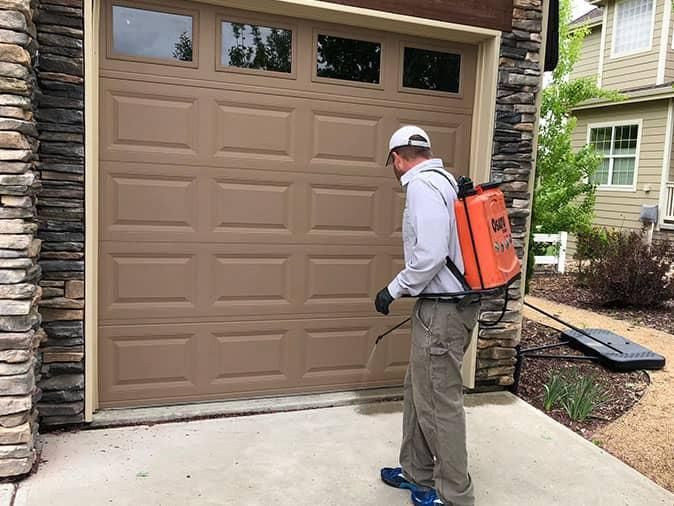
Colorado's Choice Smart Service
Our Colorado's Choice Smart Service is the most comprehensive home pest control plan EnviroPest targets 30+ pests and includes four seasonal visits and 24/7 digital rodent monitoring.
Pests covered under the Colorado's Choice Smart Service includes:
- Ants (Carpenter ants, odorous house ants, pavement ants, sugar ants)
- Beetles
- Centipedes
- Earwigs
- Mice
- Rats
- Spiders (House spiders, rock spiders, wolf spiders, black widow spiders)
- Wasps (Baldfaced hornets, paper wasps, yellow jackets)
Originally published June 9, 2023. Updated with new information to help Colorado homeowners better understand ant activity, DIY challenges, and professional ant control options.

Testimonials
”
GETTING STARTED IS AS EASY AS 1-2-3
REQUEST FREE ESTIMATE
Pest Solutions For Homes & Businesses
We understand that pest problems can be unsettling and frustrating, but the solution shouldn't be. For over 55 years, we've been helping folks right here in Colorado take care of ants, spiders, mice, mosquitoes, wasps, bed bugs, bats and most other creepy crawly things. We'll get there fast to solve the issue quickly and affordably - Guaranteed.


EnviroPest Blog & News
Why Crickets Are Getting Into Colorado Homes in Late Summer

West Nile Virus Is Back in Colorado: What Homeowners Should Know This Summer