
Where Ticks Hide in Colorado Yards (and Why They're So Hard to Avoid)
You mow the lawn, keep the flower beds looking nice, and finally sit down on the patio — and then you find a tick crawling up your ankle.
Finding ticks around the yard happens more often than many Front Range homeowners expect.
Ticks are active across much of the Front Range from spring through fall, especially in yards with mature landscaping, shaded areas, tall grass, or property lines backing up to open space.
At EnviroPest, we've been helping Colorado homeowners manage pest problems since 1965, and we've seen tick activity become a growing concern across many parts of the Front Range — especially around properties near open space and foothills.
The good news is that tick activity around homes is usually predictable once you know where they hide.
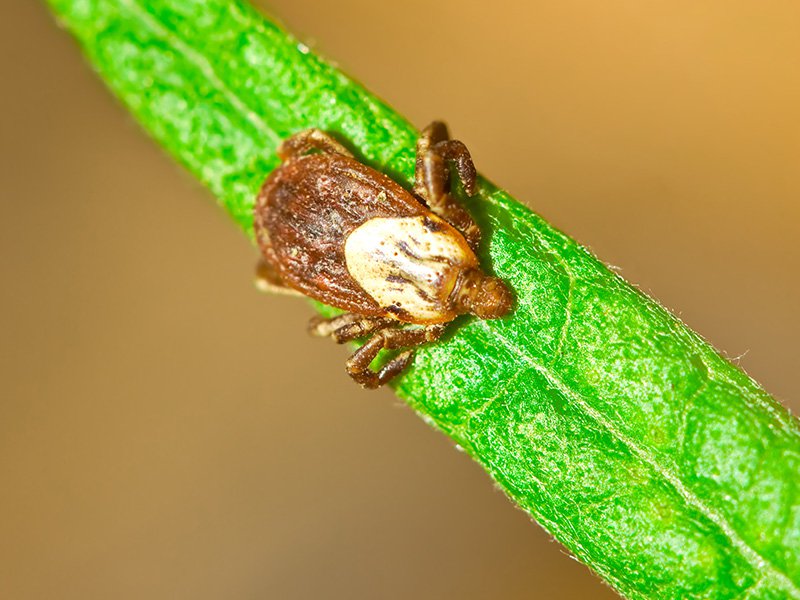
When Tick Season Starts in Colorado
Tick season in Colorado typically begins in early spring and lasts through late fall, with the heaviest activity usually happening between April and September.
The most common ticks we encounter along the Front Range include:
- Rocky Mountain wood ticks
- American dog ticks
- Brown dog ticks
Once temperatures consistently climb into the 40s and 50s, ticks become active and start searching for hosts. By the time families are spending weekends outside, ticks are often already established nearby.
If you're finding ticks on pets, clothing, or around outdoor living spaces, there's a good chance activity is already building around the property.
Where Ticks Usually Hide Around Colorado Homes
Ticks do not jump or fly. They wait on low vegetation and grab onto people or animals as they pass by. Because of that, tick activity tends to concentrate in very specific parts of the yard.
Lawn Edges and Transition Zones
The highest tick activity is usually found where maintained lawns meet taller grass, weeds, brush, or natural areas.
These “transition zones” are extremely common around foothill properties, open space boundaries, creek beds, trails, and wooded property lines.
Homes near Estes Park, Loveland, Boulder, and other foothill communities often see heavier tick pressure because wildlife regularly moves through these areas.
Shaded Landscaping and Ground Cover
Ticks need moisture to survive. Shady landscaping helps them stay protected from Colorado's dry climate.
Some of the most common hiding spots include:
- dense shrubs
- ornamental grasses
- ivy and ground cover
- mulch beds
- shaded fence lines
- areas beneath trees
Well-watered landscaping can create ideal conditions for ticks, even in otherwise dry parts of Colorado.
Leaf Litter and Debris
Piles of leaves and organic debris trap moisture and give ticks protection during warmer parts of the day.
We frequently find tick activity:
- under hedges
- along fences
- behind sheds
- around landscape borders
- beneath decks
These damp, protected areas often go unnoticed until people or pets start bringing ticks indoors.
Firewood and Wildlife Activity
Stacked firewood can attract rodents, and rodents often carry ticks.
Properties with wood piles, bird feeders, wildlife traffic, and natural vegetation nearby tend to support larger tick populations over time.
This is especially common in Northern Colorado and foothill communities, where deer, rabbits, mice, foxes, and other wildlife regularly move through residential neighborhoods.
Why Some Colorado Properties Have More Tick Problems
Many homes along the Front Range sit directly beside natural habitat. That creates constant wildlife movement through residential neighborhoods.
Communities near foothills, meadows, open spaces, wooded areas, and deer migration corridors typically experience more tick activity than densely developed urban areas.
Colorado's climate also creates an unusual setup for ticks. Even though the region is generally dry, irrigation systems, mature landscaping, shaded yards, and mulch beds create small pockets of humidity where ticks can survive surprisingly well.
At EnviroPest, we often see the highest tick activity in established, well-landscaped yards with shade and regular irrigation.
Why Tick Bites Are a Concern
Tick bites are more than just annoying.
In Colorado, ticks can carry diseases, including:
- Colorado tick fever
- Rocky Mountain spotted fever
- tularemia
- tick-borne relapsing fever
One important regional detail many homeowners do not realize: Lyme disease has not been shown to be transmitted by tick bites in Colorado because the blacklegged tick that spreads it is not established here. That said, Colorado ticks still carry serious diseases, so prevention matters.
Children and pets are usually at the highest risk because they spend more time in grassy areas, landscaping, and shaded outdoor areas where ticks are most active.
What Actually Reduces Tick Activity
You'll find plenty of online advice about homemade tick prevention methods. Unfortunately, most of those approaches do very little once ticks are established around a property.
Professional tick control works because it targets active tick populations throughout the yard during peak season.
At EnviroPest, we've been treating Colorado properties for decades, and our mosquito and tick control program is designed specifically for the seasonal tick pressure common across the Front Range.
Treatments are performed monthly from May through September to help control tick and mosquito activity during the months when these pests are most active.
EnviroPest provides mosquito and tick control throughout the Colorado Front Range, including Denver, Boulder, Fort Collins, Loveland, Greeley, Colorado Springs, and surrounding communities.
Frequently Asked Questions About Ticks in Colorado
Are ticks active at higher elevations in Colorado?
Yes. Rocky Mountain wood ticks are especially common in higher elevation areas with brush, meadows, and natural vegetation. Foothill and mountain communities often see significant tick activity during spring and summer.
Is it safe for kids and pets after a tick treatment?
Yes. Our technicians explain exactly when treated areas are ready to use again. In most cases, families and pets can return once the application has dried.
What should I do if I find a tick attached to me?
Use fine-tipped tweezers to pull the tick straight out without twisting or crushing it. Clean the area afterward and monitor for symptoms such as a rash, fever, or flu-like illness over the next few weeks.
Keep Ticks Out of Your Yard With Help From EnviroPest
Ticks are hard to avoid when they become established around a property. EnviroPest's seasonal mosquito and tick control targets the areas where ticks actually hide, so your family can spend more time outside comfortably.
Contact EnviroPest today for a free estimate and find out what seasonal tick protection looks like for your property.

Testimonials
GETTING STARTED IS AS EASY AS 1-2-3
REQUEST FREE ESTIMATE
Pest Solutions For Homes & Businesses
We understand that pest problems can be unsettling and frustrating, but the solution shouldn't be. For over 55 years, we've been helping folks right here in Colorado take care of ants, spiders, mice, mosquitoes, wasps, bed bugs, bats and most other creepy crawly things. We'll get there fast to solve the issue quickly and affordably - Guaranteed.


EnviroPest Blog & News

Why Are Spiders and Earwigs Showing Up Upstairs in Greeley Homes?

Why Crickets Are Getting Into Colorado Homes in Late Summer