
Earwigs in Colorado: Why You’re Seeing Them and How To Prevent an Outbreak
If you’ve started spotting earwigs in your basement, bathroom, or near sinks, you’re not alone. Across Colorado’s Front Range—from Denver neighborhoods with older basements and window wells, to Boulder’s foothill-adjacent homes, to Northern Colorado communities like Fort Collins, Loveland, and Greeley—earwigs (often called “pincher bugs”) tend to show up when moisture and temperature patterns shift.
The good news: Earwigs are usually more of a nuisance pest than a dangerous one. The better news: in most Colorado homes, the most effective fix is straightforward—reduce moisture, remove hiding spots right next to the house, and tighten up exterior entry points.
In this guide, we’ll explain why earwigs appear in Colorado, how seasonality affects activity, where they hide, what prevention actually works, and how EnviroPest helps you keep them out for the long term.
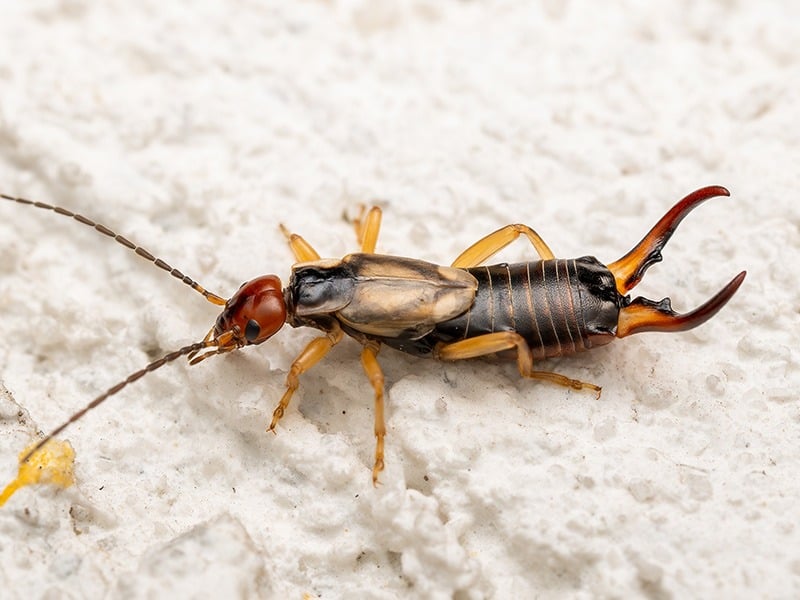
Why You’re Seeing Earwigs in Colorado & How to Stop Them
In Colorado, earwig activity is usually driven by outdoor moisture and foundation conditions rather than indoor nesting. Correcting drainage and sealing entry points — along with consistent exterior protection through a home pest control program — helps prevent seasonal spikes and recurring issues.
Earwig Season in Colorado: When Sightings Typically Spike
Earwigs can be active throughout the warm months, but along the Front Range, we typically see two “spike” windows:
- Spring to early summer: snowmelt, spring rain, and irrigation start-up can create damp foundation zones that support earwig activity close to the home.
- Mid-to-late summer into early fall: hot days, sudden storms, and watering patterns can drive earwigs to move between outdoor hiding places and indoor cool/damp areas.
If your sightings line up with a wet spell, heavy watering, or drainage issues, that’s a strong clue the source is right outside your foundation.
What Earwigs Are (And What They Aren’t)
Earwigs are slender, brown insects with a distinctive pair of pincers (called cerci) at the end of the abdomen. The pincers can look intimidating, but earwigs aren’t out to attack people.
A few quick facts that often surprise Front Range homeowners:
- Earwigs are mostly nocturnal. If you’re seeing them in the daytime, it can indicate they’re being disturbed—or there are a lot of them.
- They prefer dark, tight, and slightly damp hiding spaces.
- Outdoors, they can be helpful predators of other insects (including some garden pests), even though they may also nibble on soft plant material.
If you want a quick identification guide, see: How to Identify Earwigs in Colorado.
Why You’re Seeing Earwigs in Denver, Boulder, and Northern Colorado
Earwigs typically live outside under objects that hold moisture and provide cover—mulch, leaf litter, stacked wood, stones, landscape timbers, and dense groundcover.
Along the Front Range, they often end up inside for a few very “local” reasons:
Irrigation, Snowmelt, and Damp Foundation Zones
In Denver metro and many Northern Colorado neighborhoods, earwig pressure rises when water collects where it shouldn’t—right next to the foundation.
Common culprits we see include:
- Sprinklers soaking mulch beds along exterior walls
- Downspouts dumping too close to the house (especially during spring snowmelt)
- Clogged gutters that overflow next to siding
- Low spots where water pools after a quick thunderstorm
- Window wells that stay damp and shaded
Once earwigs build up outside the structure, it only takes a small gap—under a door, around a pipe penetration, or along a foundation crack—for them to wander in.
Foothill Microclimates and Shaded Landscaping
In Boulder County (and foothill-adjacent areas), cooler microclimates and shaded landscaping can keep soil and groundcover damp longer. That extended moisture window creates ideal harborage for earwigs near foundations, patios, and garden edges.
Outdoor Lights Pull Activity Toward Doors and Windows
Earwigs can be attracted to lights at night. They don’t “live” in your porch light, but lighting can increase insect activity around entry points—making it more likely you’ll find earwigs inside near door thresholds and window frames.
Where Earwigs Hide Inside the House
Earwigs don’t usually establish indoor colonies the way ants might. More often, they’re nuisance invaders that wander in and then look for the same thing they like outside: cover and moisture.
In Denver, Boulder, and Northern Colorado homes, we most often see them in:
- Basement corners and storage areas
- Bathroom and laundry room floor edges
- Under sinks (kitchen and bath)
- Around sump pits and floor drains
- Near leaky pipes or condensation-prone areas
- Under potted plants or trays
- Under rugs, mats, or stored cardboard
If you’re also seeing other seasonal pests at the same time, it may help to zoom out and look at the conditions driving activity. Our guide, How Season Changes Affect Pest Activity in Colorado, explains what commonly spikes and when.
Are Earwigs Dangerous?
For most households, earwigs are not a health threat.
- Do they bite or pinch? They can pinch if handled or trapped against skin, but it’s uncommon—and they’re not aggressive.
- Do they spread disease? They aren’t considered a significant disease risk in homes.
- Do they damage homes? They don’t chew wood or cause structural damage.
Where they can be a problem is the stress of seeing them repeatedly, plus occasional garden damage (seedlings, blossoms, and soft fruit).
Signs You May Be Heading Toward an Earwig Problem (Not Just a One-Off)
One earwig during a wet week isn’t always a major issue. But you should take action when you notice:
- Earwigs showing up night after night in the same rooms
- Earwigs in multiple damp areas (basement + bathroom + laundry)
- You find them near entry points (doors, window wells, sliding doors)
- You see them in or under potted plants regularly
- Outdoor sightings are high under mulch, stones, timbers, and along foundation beds
How to Prevent an Earwig Problem
If you’re trying to figure out how to get rid of earwigs in Colorado, the answer usually starts outside the home. This prevention plan works especially well along the Front Range because it targets what earwigs need: moisture, cover, and access.
Step 1: Control Moisture Right Next to the House
- Fix leaking spigots and dripping hose connections.
- Adjust sprinklers so they’re not soaking siding or foundation beds.
- Extend downspouts so water releases away from the home.
- Clean gutters so water doesn’t overflow next to the structure.
If your basement is consistently damp, use a dehumidifier and address drainage.
Step 2: Remove Earwig “Harborage” (Outdoor Hiding Spots)
- Pull mulch back from the foundation (or thin it).
- Remove leaf litter and dense debris along the perimeter.
- Move firewood and stacked materials away from the home.
- Reduce dense groundcover that stays damp.
A simple rule of thumb we use: if it’s dark, damp, and tight against the house, it’s potential earwig habitat.
Step 3: Seal Entry Points (Exclusion)
- Caulk around windows and door frames.
- Replace worn door sweeps.
- Seal foundation cracks and gaps.
- Screen or seal around utilities, pipes, and HVAC penetrations.
Step 4: Reduce Nighttime Activity Around Doors
- Switch bright white exterior bulbs to warm/yellow lighting.
- Keep porch areas free of damp mats and leaf clutter.
- Avoid storing cardboard and damp items right inside the garage door.
Get a Free Estimate From EnviroPest
If you’re seeing earwigs repeatedly, the goal isn’t just to knock down what you see today—it’s to stop the conditions that keep bringing them back.
EnviroPest helps Front Range homeowners do exactly that with a practical, prevention-first approach:
- We identify the moisture and perimeter conditions driving the activity.
- We pinpoint the entry points (including the “small gaps” most people miss).
- We apply targeted treatment where it actually helps.
- We recommend simple, high-impact changes that make your home less inviting to earwigs and other seasonal invaders.
If you’re in Denver, Boulder, or Northern Colorado, request your free estimate.
Want to review ongoing prevention options first? Start here: Home Pest Control Services.
Frequently Asked Questions About Earwigs in Colorado
Do earwigs come up through drains in Colorado homes?
It’s uncommon for earwigs to originate from inside plumbing. While they may occasionally appear near sinks, tubs, or floor drains, they usually enter from outside and are attracted to moisture in those areas. If you’re seeing earwigs around drains, it’s more likely that exterior moisture conditions are driving activity along the foundation rather than an issue inside the pipes.
Why are earwigs in my bathroom or basement?
Bathrooms and basements naturally have higher humidity levels than other parts of the home. In Colorado, especially during irrigation season or after heavy rain, earwigs often wander indoors and gravitate toward these damp areas. If sightings are consistent, it’s worth checking for slow leaks, condensation buildup, or gaps along foundation walls.
Do earwigs lay eggs inside homes?
In most Colorado homes, earwigs do not establish breeding populations indoors. They typically lay eggs in soil outdoors where moisture and protection are more stable. If you’re seeing multiple earwigs inside, it’s usually due to repeated entry from outside rather than indoor reproduction.
Does seeing one earwig mean there are more?
Not necessarily. One earwig during a wet week may simply be a wandering insect. However, if you’re seeing them repeatedly — especially in multiple areas — that usually indicates favorable conditions outside near the structure that are allowing more to enter.
Will earwigs go away on their own?
Earwig activity often decreases as conditions dry out, particularly in late fall. However, if moisture problems or harborage areas remain near the foundation, seasonal spikes can return year after year. Addressing the underlying conditions is what prevents recurring issues.
Are earwigs worse after heavy rain in Colorado?
Yes. Sudden summer storms, prolonged spring moisture, and over-irrigation can all increase earwig movement. When soil becomes saturated, earwigs may relocate to drier spaces — which sometimes include basements, garages, and ground-level entry points.

Testimonials
GETTING STARTED IS AS EASY AS 1-2-3
REQUEST FREE ESTIMATE
Pest Solutions For Homes & Businesses
We understand that pest problems can be unsettling and frustrating, but the solution shouldn't be. For over 55 years, we've been helping folks right here in Colorado take care of ants, spiders, mice, mosquitoes, wasps, bed bugs, bats and most other creepy crawly things. We'll get there fast to solve the issue quickly and affordably - Guaranteed.


EnviroPest Blog & News
Why Are Spiders and Earwigs Showing Up Upstairs in Greeley Homes?
Why Crickets Are Getting Into Colorado Homes in Late Summer