
Rodents In Colorado: Mice & Rats Homeowners Should Know About
Colorado is home to many rodent species, but only a small handful regularly invade homes and yards. While many rodents prefer open spaces, fields, or wooded areas, mice and rats are highly adaptable. They will take advantage of Colorado homes when food, warmth, and shelter are readily available.
For homeowners along the Front Range, including Denver, Boulder, Colorado Springs, and Northern Colorado, the rodents that cause the most problems are mice and several rat species, including wood rats (pack rats). Understanding which rodents are common, how they get inside, and what attracts them is the first step toward preventing damage and protecting your home.
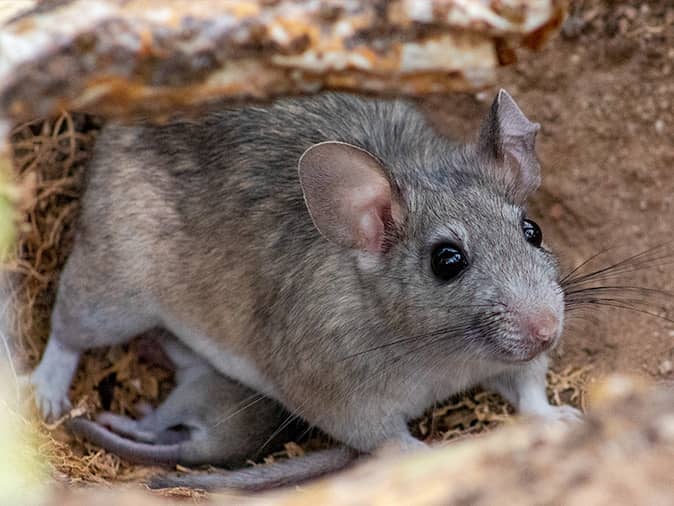
Quick Summary: Rodents in Colorado Homes
This article explains the mice and rats most likely to invade Colorado homes, including:
- The mice and rat species that invade Colorado homes
- How rodents get inside and where they nest
- Seasonal rodent activity in Colorado
- Signs of mice or rats in your home
- Prevention tips and professional control options
Mice and Rats That Invade Colorado Homes
Not all rodents pose the same risk. These are the species most likely to cause problems in Colorado homes and garages.
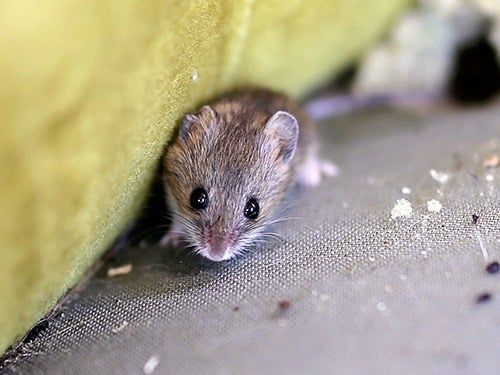
House Mice
House mice are the most common indoor rodent in Colorado. They are small, curious, and excellent climbers, which allows them to access wall voids, cabinets, and attic spaces with ease.
- Typically gray or brown
- Small bodies with large ears and long tails
- Can squeeze through openings as small as a dime
- Active year-round, but most noticeable in fall and winter
House mice reproduce quickly and often go unnoticed until populations increase.
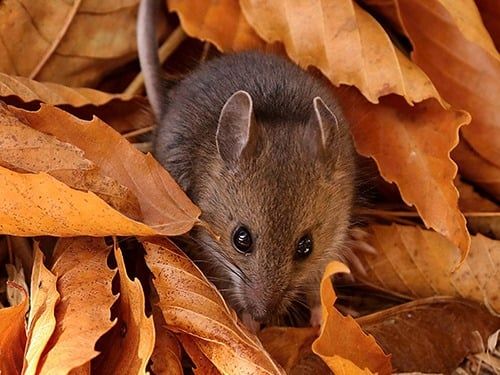
Deer Mice
Deer mice are frequently found near open land, foothills, and semi-rural neighborhoods, but they will enter garages, sheds, and homes—especially during colder months.
- Brown or gray with white undersides
- Slightly larger than house mice
- More common near outdoor storage, firewood, and crawl spaces
Deer mice often move indoors seasonally and may nest in less-used areas of the home.

Wood Rats (Pack Rats)
Wood rats are a significant issue in Colorado because they build large nests and collect materials around homes.
- Up to 18 inches long, including tail
- Grayish-brown fur with a bushy tail
- Known for collecting and storing items
- Prefer areas with brush, rock piles, and cluttered storage
- Typical near homes in the foothills and rural edges

Norway Rats
Norway rats are large, ground-dwelling rats that tend to stay close to food and water sources. While not as common as mice, they are found in parts of urban Colorado, especially near older structures and infrastructure.
- Stocky bodies with blunt noses
- Prefer basements, crawl spaces, and lower levels
- Strong burrowers that dig under foundations
- Often enter through damaged vents or sewer-related openings

Roof Rats
Roof rats are less common but increasingly reported in Colorado, particularly in areas with mature trees and tightly built neighborhoods.
- Slender bodies with long tails
- Excellent climbers
- Prefer attics, rooflines, and upper levels of homes
- Often access homes via tree branches or utility lines
Roof rats are often mistaken for mice because of their climbing behavior, but they cause significantly more damage.
Mice vs. Rats: What’s the Difference?
Homeowners often ask whether they’re dealing with mice or rats. While both are rodents, their behavior and risks differ.
- Mice are smaller, only need tiny openings, and nest inside walls and cabinets.
- Rats are larger, stronger chewers, and often cause more visible damage.
- Rats typically leave larger droppings and grease marks along walls.
- Mice are more likely to go unnoticed until activity increases.
Correct identification matters because effective control methods differ between mice and rats.
How Mice and Rats Get Into Colorado Homes
Rodents can enter homes through surprisingly small openings. Mice can squeeze through gaps the size of a dime, while rats need openings about the size of a quarter.
Common entry points include:
- Foundation cracks
- Gaps around doors and windows
- Roofline openings
- Chimneys and vents
- Garage doors
- Utility penetrations
Rodents will also chew and expand openings over time, especially wood rats, which are known for persistent gnawing.
Where Rodents Hide Once Inside
Rodents look for quiet, protected spaces close to food and water.
Common nesting areas include:
- Attics and insulation
- Wall voids
- Garages and storage areas
- Basements and crawl spaces
- Under appliances
- Inside cabinets
Wood rats are particularly likely to nest in garages, sheds, and cluttered storage areas near the home.
When Rodent Activity Is Highest in Colorado
Rodents can enter homes year-round, but activity increases during certain seasons.
- Fall: Rodents seek warmth and shelter as temperatures drop
- Winter: Indoor nesting and feeding continue
- Spring: Outdoor activity increases, but many remain indoors until there is more food available outside
- Summer: Rodents are busier foraging outside, but will infest sheds, garages, and areas around homes
Most infestations begin in the fall but aren’t discovered until winter or early spring.
Signs You May Have Mice or Rats
Early detection can prevent serious damage. Common warning signs include:
- Droppings in cabinets, garages, or along walls
- Scratching or scurrying noises, especially at night
- Chewed packaging, wiring, or insulation
- Nesting materials like shredded paper or fabric
- Grease marks along walls or baseboards (rats)
For more signs of pest activity, see Red Flags In Your Home: Signs Of A Pest Problem.
Remember, even seeing one rodent likely means that others are nearby.
Problems Rodents Cause in Colorado Homes
Mice and rats may try to stay hidden, but they create serious problems.
Property Damage
- Chewed electrical wiring increases fire risk
- Damaged insulation reduces energy efficiency
- Gnawed pipes can lead to water damage
- Structural damage around entry points
Health Concerns
- Droppings contaminate surfaces and stored food
- Rodents carry parasites like fleas and ticks
- Allergens from nesting materials can affect indoor air quality
How to Help Prevent Rodents Around Your Home
Prevention focuses on eliminating food, water, and shelter.
- Seal exterior cracks, gaps, and openings
- Trim trees and branches away from the roof
- Store food and pet food in sealed containers
- Keep garages and storage areas organized
- Move firewood and debris away from the home
- Address moisture issues and leaks
- Cover vents and openings with rodent-resistant mesh
These steps reduce risk but may not eliminate existing infestations.
Why DIY Rodent Control Often Falls Short
Traps and store-bought bait can catch individual rodents, but they rarely solve the underlying problem.
- Entry points remain open
- Nesting areas go undisturbed
- Rodents adapt quickly to pressure
- Missed rodents continue reproducing
Check out our article, Why DIY Rodent Control Often Fails: Rodent Poisons, Traps, And More, for more information.
Professional Rodent Control in Colorado
EnviroPest provides rodent control for homes and businesses throughout Denver, Boulder, Colorado Springs, and Northern Colorado. Our approach targets both the rodents you see and the conditions that allow them to thrive.
Our services include:
- Thorough property inspections
- Targeted exclusion and entry-point sealing
- Pest control plans for mice, rats, and other household pests
- Optional digital rodent monitoring for early detection
What to Do If You’ve Found Mice or Rats
If you suspect rodent activity, acting early can prevent costly damage and health concerns. A professional assessment helps identify the species involved, entry points, and the most effective solution for your home.
Contact EnviroPest today to request a rodent control quote and protect your Colorado home from mice and rats—before the problem grows.

Testimonials
GETTING STARTED IS AS EASY AS 1-2-3
REQUEST FREE ESTIMATE
Pest Solutions For Homes & Businesses
We understand that pest problems can be unsettling and frustrating, but the solution shouldn't be. For over 55 years, we've been helping folks right here in Colorado take care of ants, spiders, mice, mosquitoes, wasps, bed bugs, bats and most other creepy crawly things. We'll get there fast to solve the issue quickly and affordably - Guaranteed.


EnviroPest Blog & News
Why Are Spiders and Earwigs Showing Up Upstairs in Greeley Homes?

Why Crickets Are Getting Into Colorado Homes in Late Summer