
Mice In The Garage
Mice in your garage can quickly turn from a minor annoyance into a serious problem. From gnawed boxes and stolen pet food to unpleasant odors from dead rodents, these small invaders can cause big headaches. Homeowners in Denver, Colorado Springs, and Northern Colorado frequently encounter this issue, particularly during colder months when rodents seek warmth and shelter.
In this guide, we’ll cover why garages attract mice, the signs of a mouse infestation, problem areas to watch, how to prevent entry, and what to do if you discover a mouse nest in your garage.

What This Article Covers
- Why garages attract mice
- How mice get into garages
- Signs of a mouse infestation (including dead rodents and mouse nests)
- Problem areas and storage tips
- How to prevent mice from entering your garage
- When to call rodent control experts
Why Garages Are a Hotspot for Mice
Garages offer everything a mouse could want: warmth, shelter, and easy access to food. Key reasons garages attract mice include:
- Warmth and shelter: Cars, heaters, and insulation make garages an ideal spot for mice to escape cold weather.
- Food sources: Pet food, birdseed, and even human snacks stored in garages are irresistible to rodents.
- Hiding spots: Cluttered storage areas, piles of boxes, and unused furniture provide the perfect cover for nesting and activity.
How Mice Get Into Garages
Mice are experts at squeezing through tiny openings. Common entry points include:
Gaps and cracks: Even openings as small as a quarter-inch can let mice inside. Check under doors, around windows, and near the foundation.
Garage doors left open: An unsecured or improperly sealed door is an open invitation for rodents.
Utility openings: Holes around pipes, wiring, and vents can serve as hidden entry points.
Signs of a Mouse Infestation
Knowing what to look for can help you catch a problem early. Look for:
- Mouse nests: Shredded paper, insulation, or cardboard tucked in corners or storage areas.
- Droppings: Small, dark pellets near food containers, shelves, or problem areas.
- Gnawed items: Chewed wires, boxes, or stored belongings.
- Dead rodents and odors: Musty or ammonia-like smells often indicate the presence of dead mice in hidden spaces.
Remember, a single mouse can quickly lead to a larger infestation. Mice reproduce fast, so early detection is key.
Problem Areas and Storage Tips
Certain areas of your garage are more vulnerable than others:
- Pet food storage: Store all pet food in rodent-proof containers. Mice are especially attracted to easy meals.
- Cluttered storage areas: Avoid stacked boxes, unused furniture, or piles of materials that create hiding spots.
- Trash and recycling: Don’t leave garbage unsecured in your garage.
- Firewood and yard debris: Store wood outside and away from garage walls to reduce shelter opportunities.
How to Prevent Mice from Entering Your Garage
Taking these steps can help keep rodents out:
- Seal all openings: Fill cracks, gaps, and holes around doors, windows, and utility lines.
- Secure garage doors: Install or replace the rubber sealing at the bottom of the door and ensure doors are fully closed.
- Store food properly: Use airtight, rodent-proof containers for pet food, birdseed, and any edible items.
- Declutter: Keep storage areas organized and avoid stacking materials directly on the floor.
- Remove outdoor attractants: Clear brush, tree limbs, and debris near garage entrances.
Are Mice in the Garage a Risk to Your Home?
Yes. Mice often start in the garage and can quickly move into the main house, exploring wall voids, attics, and basements. They can contaminate food, chew on wiring, and spread bacteria through their droppings or the remains of dead rodents. Once they establish a nest, it’s only a matter of time before they explore other areas.
What to Do If You Discover Mice in Your Garage
If you notice a mouse nest, droppings, or dead rodents, it’s time to act. Homeowners in Denver, Colorado Springs, and Northern Colorado can rely on EnviroPest, a locally operated pest control company specializing in rodent control and year-round home protection.
Our Colorado’s Choice Smart Service includes:
- Year-round pest protection for 30+ pests
- Four seasonal visits
- Rodent control with 24/7 digital monitoring
- Free re-treat service
- Comprehensive coverage for ants, spiders, wasps, and more
Don’t wait for an infestation to spread. Call EnviroPest today and protect your home from mice and other pests before they become a bigger problem.
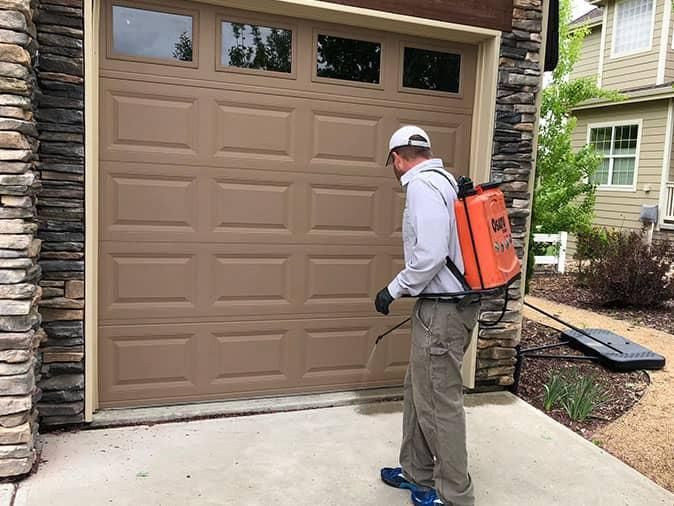
Colorado's Choice Smart Service
Our Colorado's Choice Smart Service is the most comprehensive home pest control plan EnviroPest targets 30+ pests and includes four seasonal visits and 24/7 digital rodent monitoring.
Pests covered under the Colorado's Choice Smart Service includes:
- Ants (Carpenter ants, odorous house ants, pavement ants, sugar ants)
- Beetles
- Centipedes
- Earwigs
- Mice
- Rats
- Spiders (House spiders, rock spiders, wolf spiders, black widow spiders)
- Wasps (Baldfaced hornets, paper wasps, yellow jackets)
Further Reading Related to Mice (and Rats)
Why Rodent Poisons & Other DIY Methods Don't Eliminate Mice
Mouse Nest In Home: Prevention & Control Tips
Do Dryer Sheets Repel Mice & Other Mouse FAQs
What Attracts Rats To Yards & Homes
Four Signs You Have Mice In Your Ductwork
This blog was originally published on November 10, 2023; it has been updated to include relevant information.

Testimonials
GETTING STARTED IS AS EASY AS 1-2-3
REQUEST FREE ESTIMATE
Pest Solutions For Homes & Businesses
We understand that pest problems can be unsettling and frustrating, but the solution shouldn't be. For over 55 years, we've been helping folks right here in Colorado take care of ants, spiders, mice, mosquitoes, wasps, bed bugs, bats and most other creepy crawly things. We'll get there fast to solve the issue quickly and affordably - Guaranteed.


EnviroPest Blog & News
Why Are Spiders and Earwigs Showing Up Upstairs in Greeley Homes?
Why Crickets Are Getting Into Colorado Homes in Late Summer