
Why Do Bed Bugs Keep Coming Back?
If you’re along Colorado’s Front Range (Denver metro, Boulder, Fort Collins, Colorado Springs, and nearby communities) and you’re still seeing bed bugs after “treatments,” you’re not alone—and you’re not doing anything wrong.
At EnviroPest, we regularly help homeowners across the Denver metro area and Northern Colorado figure out why bed bugs seem to keep coming back after treatment. In many cases, what appears to be a “comeback” is either incomplete elimination from DIY treatments or a new introduction of bed bugs into the home. A professional inspection can usually determine which situation you're dealing with and what steps will stop the cycle.
But one clarification matters:
- When people say, “I’ve had 3 treatments, and they’re still here,” it often refers to DIY treatments (store-bought sprays, foggers, powders, or inconsistent spot-treating).
- With a professional bed bug program that includes proper inspection, correct methods, and follow-up, bed bugs typically don’t “come back” on their own. If you see them again later, it’s most often a re-introduction (hitchhiking back in from travel, guests, used items, or shared-building exposure).
This guide explains both scenarios clearly: why DIY frequently fails, what “coming back” usually means after professional work, and what to do next—without turning your home into a trial-and-error project.
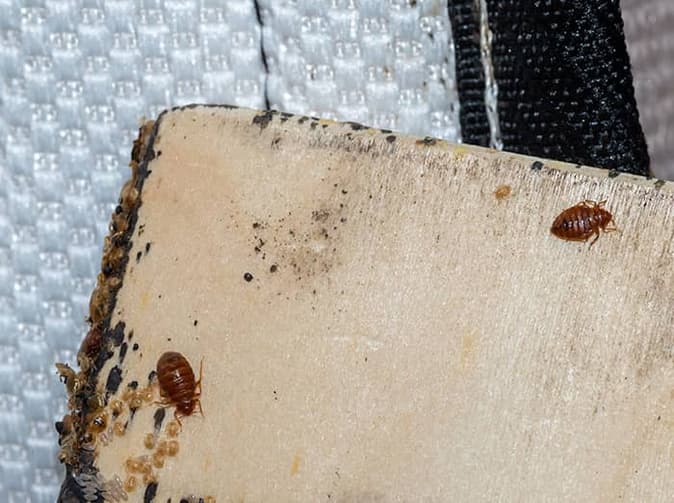
Why Do Bed Bugs Keep Coming Back After Treatment?
If bed bugs appear again after treatment, it usually means one of two things: the original infestation wasn’t fully eliminated, or new bed bugs were brought into the home later. Because bed bugs are excellent hitchhikers, they can easily return through travel, visitors, or used items.
Quick Answers (The Questions People Ask Most)
Still Have Bed Bugs After 3 Treatments—What Does That Usually Mean?
In most cases, it means the “treatments” were DIY or partial measures, not a complete elimination program.
Common DIY pitfalls include:
- Using foggers or sprays that don’t reach hiding spots
- Missing eggs and hidden harborages
- Treating inconsistently (wrong intervals, missed rooms, missed furniture)
- Accidentally scattering bed bugs deeper into cracks
If you’ve tried DIY treatments multiple times and the problem persists, the next step is usually a professional inspection—not another round of store-bought products.
Why Do Bed Bugs Keep Coming Back After Professional Treatment?
When a bed bug problem returns after a professional program, the most common reason is reintroduction.
The biggest re-introduction sources across Front Range households are:
- Travel (hotels, short-term rentals)
- Overnight guests
- Used furniture (especially upholstered items)
- Visitors’ bags, backpacks, and coats
- Shared-building exposure (apartments/condos/townhomes)
There are also a few situations that can look like a comeback—especially in multi-unit housing or when critical prep steps weren’t possible. If you’re unsure, monitoring and a targeted inspection can confirm what’s happening.
Can Bed Bugs Come Back After 6 Months, 1 Year, Or Even 2 Years?
Yes. If there were truly no signs for months and then activity appears again, it’s very often a reintroduction.
If you never fully stopped seeing signs after “treatments,” that usually points to incomplete elimination (common with DIY or limited-spot approaches).
Are Bed Bugs Common in Colorado?
Bed bugs can show up anywhere people travel and sleep. Along the Front Range, travel volume (airport traffic, hotels, apartments, college housing) creates ongoing opportunities for bed bugs to hitchhike into homes—even very clean homes.
For identification help, use our photo guide: Signs of bed bugs.
Why Bed Bugs Keep “Coming Back” (Two Different Realities)
Most “bed bugs keep coming back” stories fall into one of these buckets:
- DIY/partial treatment failure: bed bugs were never fully eliminated.
- Re-introduction after elimination: bed bugs were eliminated, then reintroduced.
Understanding which one you’re dealing with is the fastest way to end the cycle.
Why DIY Bed Bug Treatment Often Fails (And Can Make It Worse)
DIY Products Rarely Reach the Places Bed Bugs Actually Hide
Bed bugs don’t stay neatly on the mattress surface. They wedge into seams, cracks, joints, and protected voids.
Common hiding spots include:
- Headboards and bed frames
- Nightstands and dressers (joints and undersides)
- Baseboards and carpet edges
- Behind picture frames
- Couches and upholstered chairs
- Luggage, backpacks, and storage bins
Eggs And Timing Are Easy To Get Wrong
Even if some bed bugs are killed, eggs and hidden bugs can survive when treatments are inconsistent.
Some DIY Methods Scatter Bed Bugs
Certain sprays and foggers can push bed bugs deeper into walls or into adjacent rooms, turning a contained issue into a wider one.
If Bed Bugs Come Back After Professional Treatment, It’s Usually Re-Introduction
When our technicians investigate recurring bed bug activity in Front Range homes, the cause is usually either reintroduction or incomplete elimination from earlier DIY efforts.
Common Re-Introduction Sources
- Travel: Bed bugs hitch rides in luggage and clothing.
- Guests: Visitors can unintentionally bring bed bugs in bags, coats, or overnight items.
- Used Furniture: Upholstered pieces are a top risk.
- Shared Buildings: In apartments/condos/townhomes, bed bugs can move between connected spaces.
New York State’s Department of Health describes how bed bugs spread by hitchhiking and moving with belongings: Bed bugs: what they are and how to control them (NYSDOH).
If you're unsure whether you're dealing with reintroduction or an unfinished infestation, an inspection can usually identify the source quickly.
What To Do Next (Professional-First)
If you’re seeing bed bugs again—especially after repeated DIY attempts—the most efficient next step is to schedule a professional inspection. Bed bug situations rarely improve with “one more product.” They improve when the source is identified and eliminated with a structured plan. If you’d like to understand what professional service looks like, start with our bed bug removal and heat treatment approach. When you’re ready, you can contact EnviroPest to schedule an inspection. If you prefer, you can also call EnviroPest at (303) 530-3000.
What Not To Do While You’re Waiting
These actions commonly make bed bugs harder (and more expensive) to eliminate:
- Don’t use foggers (“bug bombs”) in bedrooms
- Don’t keep switching sprays and powders (inconsistent products can scatter bed bugs)
- Don’t move clutter, clothing, or bedding from room to room unbagged
- Don’t throw out your mattress without a plan (it can spread bed bugs through your home and building)
What You Can Do Before Your Inspection (Containment And Documentation)
The goal here is not to treat bed bugs yourself—it’s to limit spread and help your technician act quickly.
- Limit spread: Avoid moving items between rooms. If you must move fabrics, keep them sealed.
- Document what you’re seeing: Note the date, room, and what you found (bug, spotting, shed skin). Take clear photos when possible.
- Share helpful information with your technician: Recent travel? Overnight guests? Used furniture? Apartment/condo living? This helps determine whether the elimination is incomplete vs. a reintroduction.
Preventing Re-Introduction (Habits That Matter Most)
Travel-Smart Habits
- Keep luggage elevated in hotels
- Inspect seams and headboards on arrival
- Unpack on a hard surface (or in a garage) when you return
Use these helpful articles:
Secondhand Furniture Rules
Avoid bringing upholstered items into bedrooms until you’re confident they’re safe.
Multi-Unit Housing Plan
If you’re in a shared building, document signs and coordinate where appropriate. Re-introduction and adjacent-unit pressure are more common in these settings.
When It’s Time To Call a Professional
Consider reaching out if:
- You’ve tried DIY “treatments” multiple times and still see bugs or fresh signs
- You live in a multi-unit building and suspect cross-unit exposure
- You need faster relief and clear verification that the issue is resolved
EnviroPest provides bed bug control services across Colorado’s Front Range, and we can help you confirm what’s happening and build a plan to stop repeat activity.
Frequently Asked Questions
Do I need to throw away my mattress or furniture if I have bed bugs?
No. Most mattresses and furniture can be treated and do not need to be thrown away. Bed bugs hide in many places, so professional treatment and proper cleaning are usually enough to eliminate them. If the infestation isn’t properly treated, however, bed bugs will simply move into new furniture or mattresses.
Can you have bed bugs without seeing them?
Yes. Bed bugs are very good at hiding in cracks, seams, and small gaps around beds and furniture. Many homeowners first notice signs like bites, small dark spotting on bedding, or shed skins before ever seeing a live bug.
Do bed bugs mean my home is dirty?
No. Bed bugs are associated with human activity and travel, not cleanliness.
Can bed bugs spread from one room to another?
Yes. Bed bugs can move between rooms through walls, along baseboards, or by hitchhiking on clothing, bedding, or belongings. This is why treating only one area often doesn’t eliminate the problem completely.
Need Help Getting Rid of Bed Bugs in Denver or NoCo?
If you’re seeing bed bugs again—especially after repeated DIY attempts—don’t waste time guessing. A targeted inspection can identify where bed bugs are hiding, whether you’re dealing with re-introduction, and what plan will end the cycle.
Get started here: Contact EnviroPest.
Originally published February 9, 2024. Updated March 2026 to reflect current bed bug treatment guidance and prevention recommendations for Colorado homeowners.

Testimonials
GETTING STARTED IS AS EASY AS 1-2-3
REQUEST FREE ESTIMATE
Pest Solutions For Homes & Businesses
We understand that pest problems can be unsettling and frustrating, but the solution shouldn't be. For over 55 years, we've been helping folks right here in Colorado take care of ants, spiders, mice, mosquitoes, wasps, bed bugs, bats and most other creepy crawly things. We'll get there fast to solve the issue quickly and affordably - Guaranteed.


EnviroPest Blog & News
Why Crickets Are Getting Into Colorado Homes in Late Summer

West Nile Virus Is Back in Colorado: What Homeowners Should Know This Summer