
What Attracts Rats To Yards & Homes
Finding a rat around your property can leave you wondering why it showed up in the first place. In most cases, the answer comes down to something pretty basic: the property offers food, water, shelter, or a combination of the three.
That doesn't necessarily mean your home or yard is dirty or poorly maintained. Bird feeders, gardens, compost, pet food, outdoor water sources, dense landscaping, and protected places around a home can all provide rats with something they need.
At EnviroPest, we help homeowners throughout Denver, Boulder, Colorado Springs, and Northern Colorado address rat and other rodent problems. Understanding what attracts rats is a good place to start, especially if you're beginning to notice activity around your property.
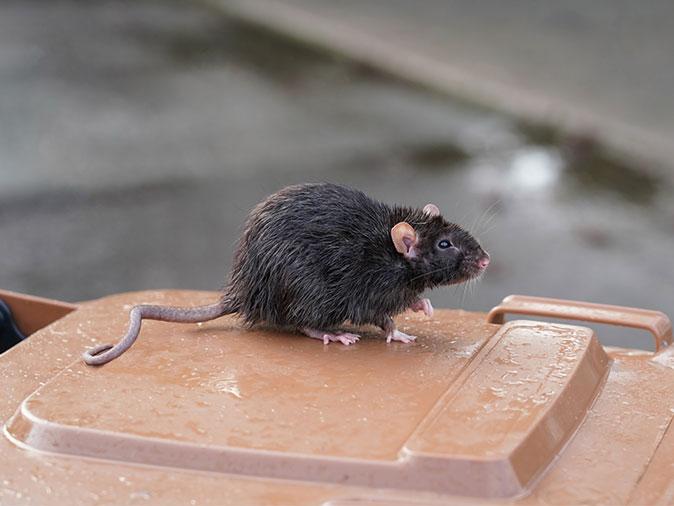
What Attracts Rats To Your Yard?
A yard doesn't need to be overgrown or cluttered to have something that interests a rat. Some of the same things Colorado homeowners intentionally add to their properties can provide an easy meal or convenient shelter.
Bird feeders are a good example. The feeder itself isn't necessarily the problem, but seed that regularly falls to the ground can provide a dependable food supply. The same can be true of ripe or fallen fruit, garden produce, pet food left outdoors, unsecured trash, and food scraps in an open compost pile.
Woodpiles, stored materials, thick vegetation, landscape debris, spaces beneath decks, and seldom-disturbed areas around sheds or other structures can provide protected places to hide. A leaking outdoor faucet, a pet water bowl, an irrigation issue, or another dependable water source can make the property even more attractive to rodents.
The takeaway isn't that you have to strip your yard of everything rats could possibly use. It's to look for what's readily available and correct what you can reasonably.
What Attracts Rats To Your House?
Inside a home or garage, rats can take advantage of surprisingly ordinary things. Open pantry packages, crumbs and spills, pet food, birdseed stored in the garage, and unsecured trash can all provide easy access to food.
Plumbing leaks and other moisture problems can provide water, while garages, crawl spaces, wall voids, and attics offer protected places where rodents can shelter.
This is one reason rat activity outside shouldn't automatically be treated as an indoor infestation. A rat using your yard hasn't necessarily entered your house. If there's an accessible opening, however, it may have an opportunity to do so.
How Do Rats Get Into Your House?
Rats don't need an open door to get inside. Colorado State University Extension notes that rats can enter through openings only slightly larger than 1/2 inch.
Potential entry points can be surprisingly ordinary. Gaps around pipes, wires, and other utility penetrations are worth checking, along with damaged or unsecured vents and openings around the exterior of the home. Garage doors also deserve attention, particularly when weather stripping is worn or no longer sits tightly against the ground.
Roof-level openings can matter as well, especially when dealing with rats that are capable climbers.
It's also worth remembering that rodents can enlarge some openings by gnawing. CSU Extension recommends locating and securing structural gaps and using materials that can resist rodent gnawing when appropriate.
Where Do Rats Come From When They Show Up On Your Property?
It's easy to assume rats must be coming from a neighbor's property, a vacant building, or somewhere else nearby. Sometimes they may be moving in from surrounding properties, but there isn't always a single outside source you can point to.
In an established Denver or Boulder neighborhood, rats may move between yards, alleys, garages, landscaping, and other protected areas. On a larger property in Northern Colorado or around the edges of Colorado Springs, sheds, woodpiles, outbuildings, gardens, and nearby natural areas can also provide places for rodents to forage or shelter.
Your property may simply be one part of the area they're using.
That's why focusing only on where a rat came from isn't always particularly helpful. Looking at what it can find on your property—and whether it has a way into the house—is usually more useful.
What About Wood Rats In Colorado?
Not every rat encountered around a Colorado property fits the picture homeowners have of a rat living around garbage or city buildings.
Wood rats, sometimes called pack rats, also occur in Colorado. Depending on the surroundings, they can use natural shelter as well as areas around human structures. Colorado State University Extension notes that bushy-tailed wood rats can shelter in places such as rocky areas, hollow trees, logs, woody debris, and human structures.
They're also capable climbers. That makes potential openings around eaves, attic vents, and the roofline particularly relevant when wood rats are present.
For homeowners, the important point isn't necessarily identifying the rat yourself. Different properties can provide suitable food and shelter for different types of rats, which is another reason it's helpful to look at the entire property rather than focusing only on the kitchen or another room where evidence was discovered.
How To Make Your Property Less Attractive To Rats
You probably can't make a Colorado property completely uninteresting to every rodent that passes through. You can make food, water, and shelter harder to find.
Start with the things that provide a dependable payoff. Clean up birdseed that accumulates beneath feeders, pick up fallen fruit, harvest garden produce as it ripens, and avoid leaving pet food outdoors. Keep garbage secured and use a covered container for compost that includes kitchen scraps.
Then look at potential shelter. Removing unnecessary debris, keeping stored materials organized, and paying attention to protected areas around garages, sheds, decks, and the foundation can reduce places rats can use undisturbed.
Water problems are worth correcting as well. Repair leaking outdoor faucets and plumbing problems, and address places where water regularly collects because of drainage or irrigation issues.
Finally, take a look at the exterior of the house. An opening doesn't attract a rat in the same way food does, but it can turn outdoor activity into an indoor problem.
When To Consider Professional Rat Control
You don't have to wait until rats are inside your home to consider professional rat control. Activity around the yard or other areas of the property can be addressed before it becomes an indoor problem.
EnviroPest's home pest control plan includes ongoing rodent protection along with 24/7 digital monitoring. When the system detects rodent activity or a catch, that information is sent to EnviroPest, alerting the team to activity around your home.
If potential entry points are also a concern, EnviroPest offers Enviro Guard as an additional exclusion service to help identify and address vulnerable exterior openings rodents could use to get inside.
Get Help With Rats Around Your Colorado Home
Whether you're seeing rats outside or have already discovered evidence indoors, you don't have to wait for the problem to get worse before having it checked out.
EnviroPest has served Colorado homeowners since 1965 and provides professional pest control in Denver, Boulder, Colorado Springs, and communities throughout Northern Colorado.
If rats are becoming a problem around your home, contact EnviroPest to find out how we can help.

Testimonials
GETTING STARTED IS AS EASY AS 1-2-3
REQUEST FREE ESTIMATE
Pest Solutions For Homes & Businesses
We understand that pest problems can be unsettling and frustrating, but the solution shouldn't be. For over 55 years, we've been helping folks right here in Colorado take care of ants, spiders, mice, mosquitoes, wasps, bed bugs, bats and most other creepy crawly things. We'll get there fast to solve the issue quickly and affordably - Guaranteed.


EnviroPest Blog & News
Why Are Spiders and Earwigs Showing Up Upstairs in Greeley Homes?

Why Crickets Are Getting Into Colorado Homes in Late Summer