
Why Do Ants Keep Coming Back?
You wipe down the counter, sweep up the trail, and get rid of every ant you can see. A day or two later, another line appears across the same stretch of floor.
Ants usually keep coming back because killing or cleaning up the workers does not eliminate the colony that keeps sending more ants inside.
At EnviroPest, recurring ant activity is one of the most common problems we handle for homeowners in Denver, Boulder, Colorado Springs, and communities throughout the Front Range and Northern Colorado. Understanding what keeps the colony active is the first step toward ending the cycle.
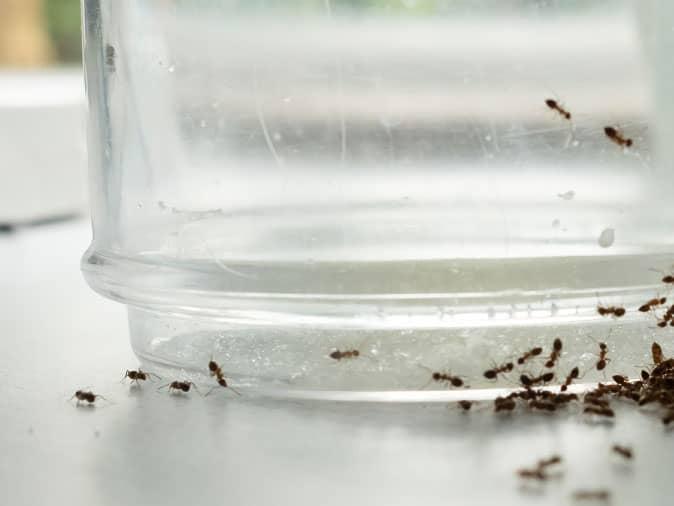
Why Do Ants Keep Coming Back After You Kill Them?
Most ants found in Colorado homes come from colonies outdoors. The ants crossing your counter, floor, or windowsill are workers searching for food or water, not the colony itself.
When one worker finds something useful, it leaves behind a pheromone trail. This invisible scent path guides other ants from the nest to the same location, which is why ants often appear in an organized line.
Cleaning the surface can remove the trail, but the colony may send out more workers that establish a new route. As long as the nest remains active and ants can find food, moisture, or an opening into the house, they may keep returning.
According to Colorado State University Extension, ant colonies can contain thousands or tens of thousands of individuals. The handful of ants you see indoors represents only a small portion of what may be living beneath a patio, under landscaping, inside a wall void, or somewhere else near the home.
Why Spraying the Ants You See Often Falls Short
Spraying ants on a countertop, baseboard, or floor may provide immediate relief, but it usually affects only the workers that come into contact with the product.
The colony may remain protected:
- Beneath a sidewalk, driveway, or patio
- Under mulch, rocks, or landscape timbers
- Along the foundation
- Inside a wall or other structural void
- Deep in the soil
Products applied only to visible trails or the soil surface may reduce activity temporarily without reaching most of the colony. Ants may also avoid a treated area and begin using a different route into the house. Some species can divide or move their nesting sites when disturbed, which is another reason correct identification matters before treatment.
Still seeing ants after cleaning, spraying, or setting out traps? EnviroPest can identify the species, trace where the activity is coming from, and choose treatment based on where the ants are nesting and how they are getting inside.
What Keeps Drawing Ants Into Your Home?
Ants enter homes because they can find something they need. Removing these conditions can reduce activity, but it may not eliminate an established colony nearby.
Food
Ants can locate crumbs, grease, spilled drinks, pet food, and food residue that homeowners may barely notice.
Common indoor attractants include:
- Sugar, syrup, and sweet drinks
- Crumbs beneath appliances
- Grease around stoves and cabinets
- Open pantry items
- Pet food left out overnight
- Food residue inside trash and recycling containers
Different ant species prefer different foods, and those preferences may change as the colony grows.
Water
Ants also need moisture, particularly during Colorado’s dry summer weather.
Check for activity near:
- Leaking pipes beneath sinks
- Dripping faucets
- Dishwasher and refrigerator lines
- Damp bathrooms
- Condensation around windows or appliances
- Water-damaged wood
Ants around a sink, bathtub, or utility area may be looking for moisture rather than food.
Easy Entry Points
Ants can enter through very small openings around the exterior of a house.
Common access points include:
- Gaps beneath doors
- Cracks around window frames
- Openings around plumbing and utility lines
- Foundation cracks
- Garage door gaps
- Damaged screens
- Spaces where siding or trim has separated
Sealing these openings can reduce easy access, although ants may find another route if a colony remains active close to the structure.
Where Is the Ant Colony?
The nest may be much farther from the visible trail than homeowners expect.
Most ants found in Colorado homes nest outside and travel indoors to forage. Colonies may be located beneath pavement, inside landscaping, under stones, near tree roots, or beside the foundation.
Most colonies remain outdoors, but some ants can settle inside walls or other protected parts of the house. Repeated activity from the same baseboard, wall opening, window frame, or interior crack may mean the nest is inside the house or just outside that part of the wall.
Finding the likely colony location depends partly on identifying the species involved.
Why Different Ants Keep Coming Back
The species matters because different ants return for different reasons. Some live in outdoor colonies close to the foundation, while others may be traveling from connected nests or moisture-prone areas inside or outside the home.
Learn more about the ants our technicians commonly encounter around Colorado homes.
Pavement Ants
Pavement ants commonly nest beneath sidewalks, driveways, patios, and foundations. You may notice small piles of soil pushed up through cracks in concrete or along the edge of the house.
Because the colony remains protected beneath the concrete, it can continue sending workers through nearby cracks and lower-level gaps.
Odorous House Ants
Odorous house ants are small, dark ants that may release a coconut-like odor when crushed. They are often called sugar ants because they readily forage for sweets and other foods inside homes.
These ants often nest outdoors beneath mulch, stones, ground cover, and other sheltered areas close to the foundation. Even when one trail disappears, ants may begin using another route to reach food or moisture indoors.
Carpenter Ants
Carpenter ants are much larger than pavement or odorous house ants. Most carpenter ants seen indoors are traveling from an outdoor nest in a tree, stump, or landscape timber. However, they may also establish satellite nests in wall voids, window frames, or damp wood inside the home.
Carpenter ant activity near roof leaks, damaged siding, window frames, or water-damaged wood should be inspected. Carpenter ants do not eat wood, but they excavate it to create nesting galleries.
Why Ant Problems Change With the Seasons
Ant activity becomes more noticeable as Colorado temperatures warm in spring. Colonies resume foraging, workers begin searching more widely, and the first indoor trails often appear.
Activity generally increases through late spring and summer as colonies grow. During hot, dry periods, ants may be drawn indoors by plumbing, condensation, pet bowls, and other dependable water sources.
You may also see winged ants during warm weather, particularly after rain. These are reproductive ants leaving an established colony to mate and start new ones.
Winged ants gathering outside near windows or lights are not always a sign of an indoor problem. However, swarmers emerging from an interior wall, floor gap, or another part of the structure may indicate a nearby nest that should be identified.
Ant activity that continues through winter also raises the possibility of a colony inside the structure, especially when ants repeatedly emerge from the same interior location.
What Can You Do to Reduce Ant Activity?
Ants are a normal part of Colorado’s outdoor environment, so the goal is not to remove every ant from the property. It is to keep colonies and foraging workers from repeatedly entering your living space.
Remove Food Sources
- Wipe counters and floors with a household cleaner
- Clean beneath appliances and cabinets
- Store pantry items in sealed containers
- Rinse food residue from recycling
- Empty trash regularly
- Put pet food away at night
Cleaning helps remove both food residue and existing scent trails.
Correct Moisture Problems
- Repair dripping faucets and leaking pipes
- Check beneath sinks and appliances
- Address condensation and drainage issues
- Replace damp or deteriorated wood
- Avoid leaving pet water near active trails
Moisture correction is particularly important when carpenter ants are present.
Clear the Foundation Perimeter
Mulch, leaf piles, stacked wood, and dense ground cover provide shelter close to the home.
Pull mulch and debris away from the foundation, trim vegetation that touches the structure, and avoid storing firewood directly against the house.
Seal Likely Entry Points
Caulk cracks around doors, windows, pipes, and utility lines. Install door sweeps where light is visible beneath exterior doors and repair damaged screens.
These steps may not eliminate an existing colony, but they can reduce the number of easy access points.
How Can You Tell It Is More Than a Few Foraging Ants?
A few ants wandering indoors during spring may be workers from an outdoor colony. Certain activity, however, suggests a larger or more persistent problem.
Watch for:
- Trails returning to the same area day after day
- Ants appearing in several rooms
- Activity continuing through fall or winter
- Ants emerging from walls, baseboards, or interior gaps
- Winged ants coming from inside the structure
- Wood shavings near damp wood, windows, or baseboards
- Large carpenter ants repeatedly appearing indoors
These signs do not always reveal exactly where the colony is located, but they indicate that cleaning the visible trail is unlikely to solve the entire problem.
How EnviroPest Handles Persistent Ant Problems
Recurring ant activity requires more than treating whichever ants happen to be visible during the appointment.
EnviroPest’s technicians identify the species, trace the areas where ants are traveling, and select treatment based on the colony’s likely location and behavior.
Inspection and Identification
Pavement ants nesting beneath a driveway require a different approach from carpenter ants traveling from a tree or moisture-damaged section of the home.
During the inspection, the technician looks for:
- Active trails
- Entry points
- Food and moisture conditions
- Outdoor nesting areas
- Signs of indoor activity
- Conditions that may allow ants to return
Correct identification helps determine where the colony is likely to be and which treatment is most appropriate.
Targeted Ant Treatment
Treatment may include baits, targeted applications to active areas, and exterior service around likely routes and nesting locations.
Slow-acting baits can be especially useful for certain species because workers carry the material back to the colony and share it with other ants. The type and placement of bait must match the species and its current food preference.
Not every ant problem requires the same products or treatment areas. The treatment should reflect where the ants are nesting, how they are entering, and how that species responds.
Exterior-Focused Protection
Because most ant colonies begin outside, long-term control focuses heavily on the exterior of the home.
Seasonal exterior treatment around the foundation, doors, windows, utility openings, and other likely access points helps reduce the number of ants reaching the structure.
Exterior service is combined with recommendations for moisture, landscaping, sanitation, and entry conditions that may be contributing to the problem.
Year-Round Pest Control to Keep Ants Away
Ant pressure changes with Colorado’s seasons, but ants are not the only pests that take advantage of gaps around a house.
EnviroPest’s residential pest control service provides year-round protection with targeted exterior treatments each season. If ants or other covered pests appear inside between scheduled visits, we return to address the activity at no extra charge.
Ongoing service helps homeowners avoid starting from the beginning every spring when ants, spiders, and other pests become active again.
Frequently Asked Questions About Recurring Ant Problems
Indoor activity may slow when ants find more food and moisture outside, but that does not necessarily mean the colony is gone. If the nest remains nearby and entry conditions have not changed, ants may return when the weather or food supply shifts.
Some activity may continue briefly as ants encounter treatment or carry bait back to the colony. If activity remains heavy, increases, or starts appearing in new locations, it should be reassessed. The colony may be in a difficult-to-reach area, using another route, or responding differently than expected.
One ant may simply be a scout searching for food or water. Repeated sightings or an organized trail are stronger signs that a colony is active nearby and workers have established a dependable route into the home.
Ants may be following plumbing lines, wall voids, foundation gaps, or several entry routes from the same colony. Activity in multiple rooms can also indicate more than one nesting site or a colony located within the structure.
Sealing gaps can reduce the number of ways ants enter, but it will not eliminate an active colony. Ants may find another opening unless the nesting area and the food or moisture attracting them are also addressed.
Stop Treating the Same Ant Problem Over and Over
If ants disappear for a few days and then return, the nesting area or conditions supporting the activity have not been fully addressed. EnviroPest has helped homeowners solve ant problems since 1965, with service available across Colorado’s Front Range and Northern Colorado.
Request a free estimate and let us find out what is keeping ants active around your home.

Testimonials
GETTING STARTED IS AS EASY AS 1-2-3
REQUEST FREE ESTIMATE
Pest Solutions For Homes & Businesses
We understand that pest problems can be unsettling and frustrating, but the solution shouldn't be. For over 55 years, we've been helping folks right here in Colorado take care of ants, spiders, mice, mosquitoes, wasps, bed bugs, bats and most other creepy crawly things. We'll get there fast to solve the issue quickly and affordably - Guaranteed.


EnviroPest Blog & News
Why Crickets Are Getting Into Colorado Homes in Late Summer

West Nile Virus Is Back in Colorado: What Homeowners Should Know This Summer