
Mosquito-Borne Diseases in Colorado: What Every Homeowner Should Know
When you hear about mosquito-borne diseases, it might sound like something that happens somewhere else. But here in Colorado, mosquitoes pose real health risks to families across the Front Range every year.
At EnviroPest, our team has been helping Colorado homeowners deal with mosquitoes since 1965. And one thing we can tell you from experience is that the threat is not going away. Colorado consistently ranks among the states with the highest number of West Nile virus cases in the country, and counties like Larimer, Boulder, and Weld often report some of the state’s heaviest activity. Understanding what mosquito-borne diseases look like — and how to reduce your exposure — matters for every homeowner along the Front Range.
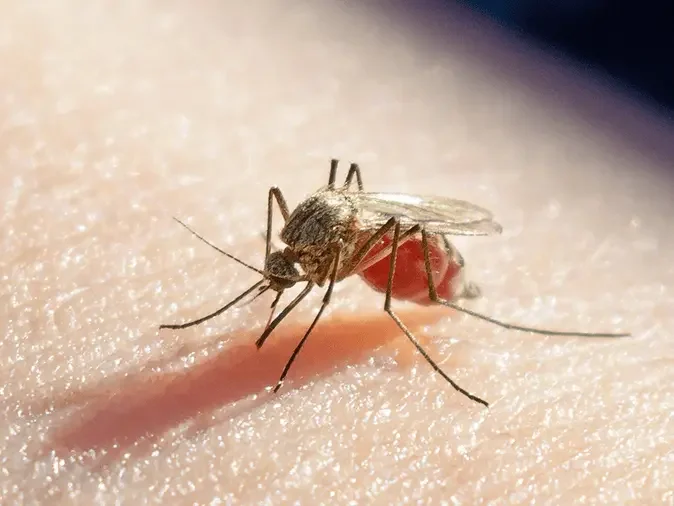
Colorado Is a Hotspot for West Nile Virus
Most people don't realize how active the West Nile virus is in Colorado. The state has reported cases every year since the virus was first detected here, and some years bring hundreds of confirmed infections and dozens of deaths.
Northern Colorado, the Denver metro area, and communities along the Western Slope consistently experience the heaviest mosquito activity in the state.
The Colorado Department of Public Health and Environment provides updated information on current West Nile virus activity in Colorado, along with historical West Nile virus data showing how cases have varied across previous seasons since 2003.
A big part of the reason is Colorado's landscape. Agricultural irrigation, standing water from snowmelt and afternoon storms, and suburban development along the Front Range all create ideal breeding conditions for the Culex mosquitoes that carry West Nile. Neighborhoods near parks, irrigation ditches, reservoirs, and open fields tend to see the worst activity — and our technicians see this firsthand during service visits across Denver, Boulder, Fort Collins, Loveland, and Colorado Springs.
When Mosquito Activity Is Highest in Colorado
Mosquito activity in Colorado typically begins increasing in late spring, peaks during the warmest months of summer, and often remains active into early fall. Along the Front Range, irrigation, afternoon thunderstorms, and warm temperatures can all contribute to higher mosquito populations. Homeowners often notice the most mosquito pressure in July and August, especially around properties with mature landscaping, standing water, or nearby open space.
What Mosquito-Borne Diseases Are Found in Colorado?
Three mosquito-borne diseases are present in Colorado: West Nile virus, Western equine encephalitis, and St. Louis encephalitis. All three are transmitted through the bite of an infected mosquito.
West Nile virus is by far the most common and the most serious. Most people who become infected experience no symptoms, but roughly 1 in 5 develop fever, body aches, and fatigue. In more severe cases — particularly among older adults — the virus can cause inflammation of the brain or spinal cord, and it can be fatal. There is currently no vaccine and no specific cure.
Western equine encephalitis and St. Louis encephalitis are less common in Colorado but still worth knowing about. Both can cause flu-like symptoms and, in rare cases, serious neurological complications. Infants, elderly adults, and people with compromised immune systems face the greatest risk of developing severe illness from any of these diseases.
Who Is Most at Risk?
Anyone who spends time outdoors during the warmer months can be bitten by an infected mosquito. But some people are at higher risk for serious illness. Adults over 60, young children, and individuals with weakened immune systems are most vulnerable to severe West Nile virus complications.
People who work outdoors face higher exposure throughout the season — landscapers, construction crews, farmers, and outdoor recreation staff. Homeowners who spend evenings on the patio, tend gardens at dusk, or let kids play outside during peak mosquito hours are also at increased risk. In communities near standing water, open fields, or irrigation infrastructure, the exposure window is even wider.
West Nile Virus Symptoms Worth Knowing About
Early symptoms of West Nile virus often look a lot like the flu — fever, headache, body aches, and fatigue. Some people develop a skin rash. In more severe cases, symptoms can include high fever, neck stiffness, confusion, muscle weakness, and tremors. If you have been bitten by mosquitoes and develop any of these symptoms, contact your doctor.
The tricky part is that most people infected with the West Nile virus never show any symptoms at all. That is one of the biggest reasons prevention matters so much — you cannot always tell when you have been exposed.
Reducing Mosquito Exposure Around Your Home
While no homeowner can completely eliminate mosquito exposure, reducing mosquito populations around your property can significantly lower the likelihood of bites. Standing water, dense landscaping, and shaded resting areas all contribute to mosquito activity around Colorado homes. Keeping mosquito numbers under control is one of the most effective ways to reduce the risk of mosquito-borne diseases throughout the season.
Why Professional Mosquito Control Makes a Difference
Citronella candles and store-bought repellents can help in the moment, but they do not address the actual mosquito population living and breeding around your property. When it comes to reducing your family's risk of mosquito-borne illness, consistent professional treatment makes a much bigger impact.
EnviroPest's mosquito and tick control service targets the areas where mosquitoes rest and breed — tall grass, shaded landscaping, shrubs along your home's foundation, and areas of standing water that cannot easily be eliminated. We treat monthly from May through September, and each application provides up to 30 days of reduced mosquito and tick activity across your property.
In areas with standing water like ponds, pools, or drainage features, we also apply larvicide treatments to minimize reproduction right at the source. Our technicians know the specific conditions that drive mosquito pressure across Denver, Boulder, Colorado Springs, and Northern Colorado, and they adjust treatments based on what they see at your property.
If you are hosting an outdoor event — a wedding, family reunion, or backyard party — we also offer one-time treatments to help make your space more comfortable for guests. Contact us to learn more about protecting your yard from mosquitoes.
Frequently Asked Questions About Mosquito-Borne Diseases in Colorado
Can I get West Nile virus from another person?
No. West Nile virus does not spread through casual contact, coughing, sneezing, or touching. The virus is transmitted through the bite of an infected mosquito. In very rare cases, transmission has occurred through blood transfusions or organ transplants.
Is Zika Virus a Concern in Colorado?
Zika virus is not considered a significant concern in Colorado. The mosquito species most commonly associated with Zika transmission is not well established in the state. For Colorado homeowners, West Nile virus remains the primary mosquito-borne disease concern, making mosquito control especially important during the warmer months.
Does altitude affect mosquito activity in Colorado?
Mountain and higher-altitude communities generally see shorter mosquito seasons compared to the lower-elevation areas along the Front Range. However, mosquitoes are still active in mountain towns during the warmer months, especially near standing water and irrigated areas.
Are pets at risk from mosquito-borne diseases?
Dogs are particularly vulnerable to heartworm disease, which is transmitted by mosquitoes. Colorado veterinarians recommend year-round heartworm prevention for dogs. Professional mosquito treatments around your home help reduce populations and lower the risk for your pets as well.
How soon after a mosquito treatment can I use my yard?
We recommend waiting until the treatment has fully dried, which typically takes about 30 minutes to an hour, depending on weather conditions. Once dry, your yard is ready for normal use.
Protect Your Family from Mosquito-Borne Diseases in Colorado
Mosquito-borne diseases are a real and recurring concern for Colorado homeowners, especially along the Front Range, where conditions favor heavy mosquito activity. The most effective way to reduce your family's exposure is to keep mosquito populations under control around your home throughout the season.
EnviroPest has been protecting Colorado homes since 1965. If you are ready to enjoy your backyard without worrying about mosquito bites and the health risks that come with them, contact us today to learn more about our seasonal mosquito and tick control program.

Testimonials
GETTING STARTED IS AS EASY AS 1-2-3
REQUEST FREE ESTIMATE
Pest Solutions For Homes & Businesses
We understand that pest problems can be unsettling and frustrating, but the solution shouldn't be. For over 55 years, we've been helping folks right here in Colorado take care of ants, spiders, mice, mosquitoes, wasps, bed bugs, bats and most other creepy crawly things. We'll get there fast to solve the issue quickly and affordably - Guaranteed.


EnviroPest Blog & News
Why Crickets Are Getting Into Colorado Homes in Late Summer

West Nile Virus Is Back in Colorado: What Homeowners Should Know This Summer