
What Do Rats Look Like?
In Colorado, homeowners most often encounter three types of rats: wood rats, Norway rats, and roof rats. Each species has unique habits, appearances, and preferred habitats, which influence how they may enter your home and the risks they pose. Knowing these differences is the first step to identifying which type is nearby and taking the right steps to keep your home safe.
Wood Rats
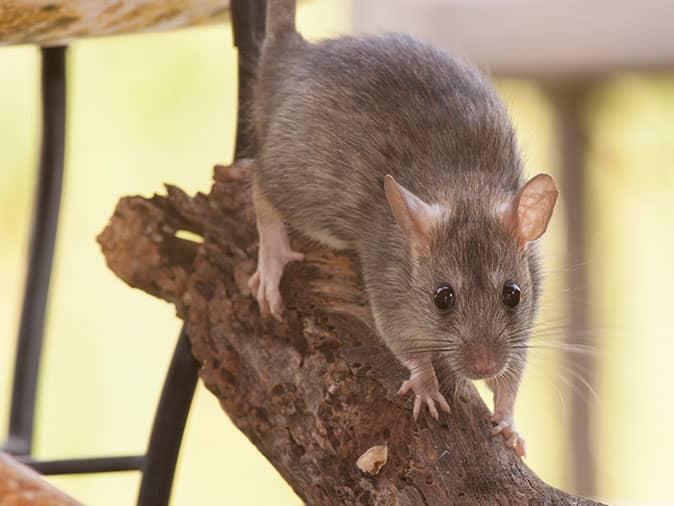
Also known as pack rats, wood rats are common in Colorado, especially in areas near rocky terrain. They are slightly larger than house mice and have:
- A furry tail
- Large ears and big black eyes
- Grayish-brown fur
Nests: Wood rats are renowned for their elaborate nests, which are often constructed from sticks, plants, and shiny objects they collect. Nests can have multiple “rooms” and are usually found in rocky crevices or outside structures.
Activity: Most active at night but can be seen foraging at dusk.
Risks: Wood rats carry diseases and are destructive inside homes, chewing wires, insulation, drywall, and pipes.
Norway Rats
Norway rats are stocky, brown or gray rodents with coarse fur and a tail shorter than their body. They are excellent diggers and often make burrows in the ground, under sheds, or along building foundations.
Nests: Norway rats prefer dark, sheltered areas, such as basements, crawl spaces, and wall voids. They often line their nests with shredded paper, insulation, and other materials they gather.
Activity: Mostly nocturnal, but sometimes active during the day if food is scarce.
Risks: Norway rats are carriers of diseases such as leptospirosis and salmonella, and can contaminate food and damage structures by chewing and gnawing.
Roof Rats
Roof rats, also known as black rats, are slimmer than Norway rats, characterized by their long tails and large ears. They often have a black or dark brown coat.
Nests: These rats prefer high places—attics, rafters, and trees—and build nests out of shredded materials. Roof rats are excellent climbers and rarely stay on the ground.
Activity: Primarily nocturnal.
Risks: Roof rats can carry diseases and contaminate stored food. Their climbing ability means they can cause damage to wiring, insulation, and ceilings.
When are rats most active?
Plague case confirmed in Colorado resident
In Colorado, a plague case has been confirmed in a human. Health officials say, ' It must be treated promptly.’ The bacterial infection is most commonly spread by pets, rodents, and fleas. Read the full article here.
Why Do I Have a Rat Problem?
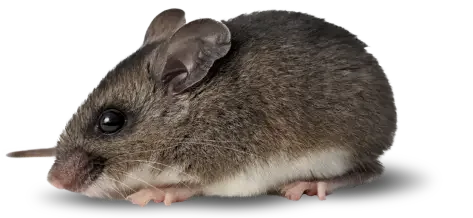
Rats often enter homes in search of food, water, and shelter, particularly as temperatures drop in the fall. Wood rats tend to nest outdoors but will move inside if given the opportunity, while Norway and Roof rats are more likely to target attics, basements, and other hidden areas.
Signs of Rats in Your Home
Wood Rats
- Nests: See the description of their nests in the What Rats Do Look Like? section
- Droppings: About ½ inch, dark brown, often near nesting areas
- Gnaw marks: On wood, insulation, or plastic objects
- Tracks & footprints: Seen near food sources or along walls
Norway Rats
- Burrows and holes: Usually near foundations or under sheds
- Droppings: Larger than house mice, thick and blunt
- Smudge marks: Oily fur left along walls from repeated paths
- Chewing damage: Wires, pipes, cardboard, and drywall
Roof Rats
- Signs in high places: Attics, rafters, and trees
- Droppings: Smaller than Norway rats, tapered at ends
- Climbing marks: Grease or scratch marks on rafters or exterior walls
- Nesting materials: Shredded paper, insulation, or plant matter
How Do You Get Rid of Rats?
If you suspect a rat problem, it’s best to call professional pest control experts. At EnviroPest, we safely and humanely eliminate rats from your home and property, using:
- Mechanical traps
- Natural and EPA-registered baits
- Electronic rodent control systems
- Customized control plans
Is the Treatment for Rats Safe?
EnviroPest uses the least amount of material possible while still resolving your rat problem. We utilize natural products, baits and mechanical means as a form of treatment as much as possible. When conventional materials are required, we follow very strict guidelines for the use of the product so that it poses no threat to people or pets. All products are registered by the EPA. Our service technicians will inform you of any specific safety measures that need to be taken prior to service.
How Soon Can You Get Here?
At EnviroPest, we take all pest issues seriously and are committed to helping as soon as possible. In most cases, we can respond the same or very next day.
How Much Does Rat Control Cost?
The cost of service depends on the level of infestation and other factors. Contact us to learn more about the service and pricing, or request a rat control quote!
Rat Prevention Tips
To make your home less appealing to rats and other house-infesting pests, we recommend the following prevention tips:
- Seal Entry Points: Close gaps around doors, windows, vents, chimneys, and the roof line. (Learn more about Enviro Guard!)
- Eliminate Food Sources: Secure trash, pet food, and bird feeders.
- Remove Shelter: Keep storage areas organized and eliminate debris piles near your home.
- Ongoing Protection: Sign up for home pest control services that feature digital rodent monitoring
Frequently Asked Questions About Rats in Colorado
Can rats damage my home even if I don’t see them?
Yes. Rats are nocturnal and often hide during the day. They can chew wires, pipes, insulation, and wood without being noticed. Even small signs, such as droppings or gnaw marks, indicate potential damage.
Can pets prevent rats from entering my home?
Pets, especially cats, may deter rats, but they usually can’t eliminate an infestation. Rats can be clever and avoid predators, so professional prevention is still necessary.
How long does it take to get rid of rats once an infestation starts?
The timeline depends on the type of rat, infestation size, and property layout. Small infestations may be controlled in a few days, while larger or established infestations may require ongoing monitoring.

Testimonials
GETTING STARTED IS AS EASY AS 1-2-3
REQUEST QUOTE & SCHEDULE
EnviroPest Blog & News
Why Are Spiders and Earwigs Showing Up Upstairs in Greeley Homes?
Why Crickets Are Getting Into Colorado Homes in Late Summer