Click on any Pest for Details & Pricing
Colorado's Most Common Insects and Wildlife Pests
![]() |
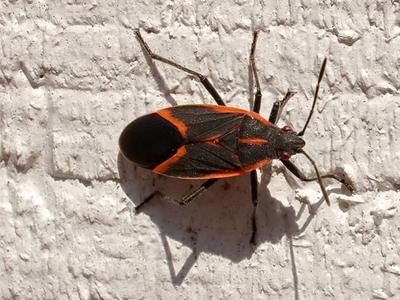
Box Elder BugsAppearance: Box Elder Bugs are usually about ½" long, often black and red in color, with three red stripes on the thorax (body). The nymphs are smaller and bright red. |
![]() |
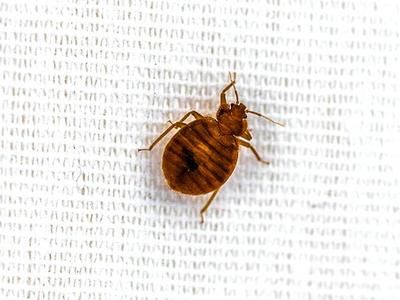
Bed BugsAppearance: Bat and bed bugs have a short, broad head, broadly attached to the prothorax (body), and an oval body. The body as a whole is broad and flat, enabling the bugs to crawl into narrow crevices. The adults are about 1/4 to 3/8 inch long, brown and wingless. |
![]() |
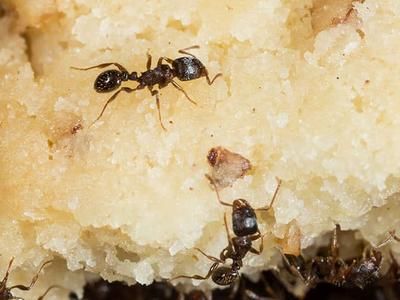
Carpenter AntsAppearance: There are 2 common types of carpenter ants in Colorado. One type is smaller with ½ the body red, and ½ black. The other, larger species are usually black ranging from ½"-1" long. |
![]() |
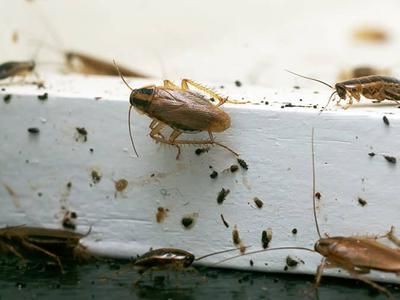
CockroachesAppearance: The most common roach to our area, the German cockroach, is ½ to 5/8 inches long, pale brown to tan in color, with two parallel black streaks on the pronotum (shield like segment behind the head.) |
![]() |
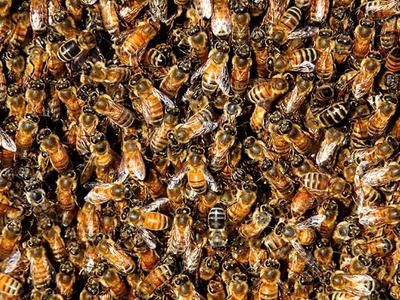
Honey BeesThe easiest way to determine this is to observe them. Honeybees will commonly build a hive in a soffit or roof area where this is a protected open space. The bees will fly in and out as well as around the opening. They are are fuzzy and generally gold in color. An active honeybee hive will contain thousands of bees, so you will normally see 30 to 50 at a time near the opening. |
![]() |
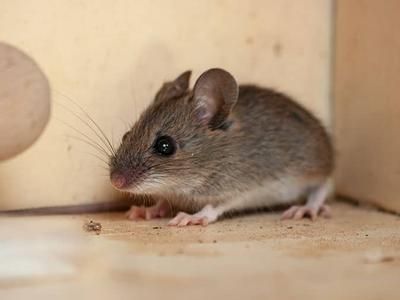
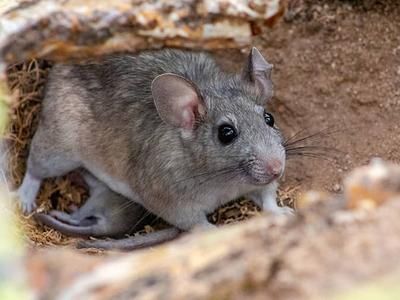
Mice & RatsTwo types of mice are common in Colorado. The house mouse is a smaller rodent that has a slightly pointed nose; small, black, somewhat protruding eyes; larger ears; and a nearly hairless. They are generally grayish brown with a gray or buff belly. |
![]() |
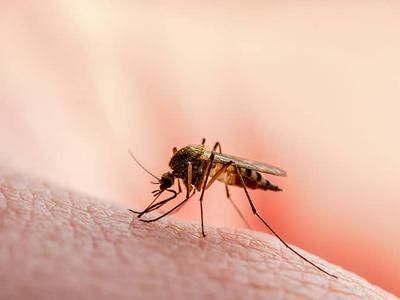
MosquitoesThe most common species of mosquito found in Colorado is the Culex. They on average are pale brown with whitish stripes across the abdomen and can grow to 1/4-3/8" long. |
![]() |
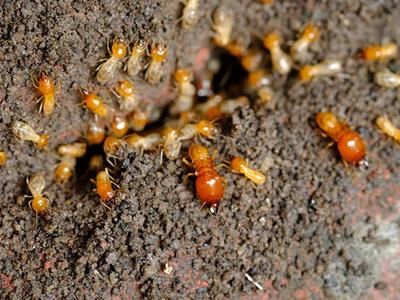
TermitesAppearance: In Colorado, the eastern subterranean termite is usually responsible for damage to structures. These termites usually maintain contact with the soil in which the main nest is found. They search outside their nest for wood to feed on and construct earthen tubes from the nest to the food source. |
![]() |
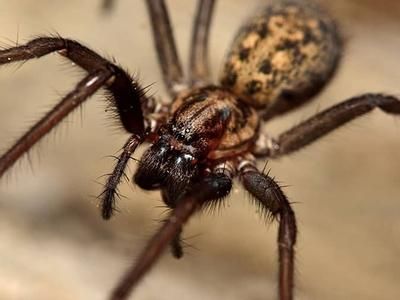
SpidersAppearance: There are 1000's of different species of spiders. Of those in Colorado, only 2 or 3 are of any significant health concern. |
![]() |
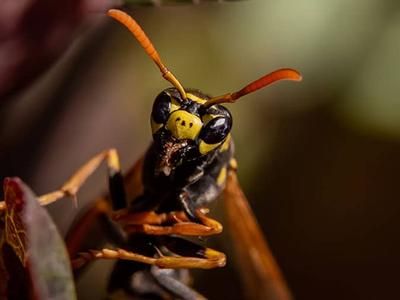
Stinging InsectsYellow Jackets - Banded yellow and black, and are commonly mistaken for honey bees, but they lack the hairy body and are more intensely colored. Yellow Jackets typically nest underground using existing hollows. |
Wildlife Section
![]() |
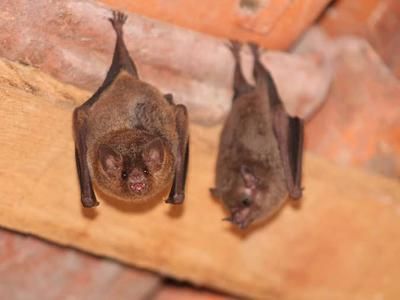
BatsThe most common bats in our area are called little brown bats. They generally brown and black in color and similar in size to a mouse. |
![]() |
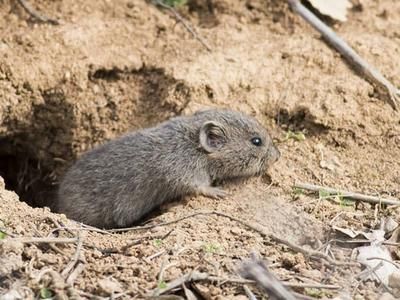
Moles & VolesA vole is a small rodent resembling a mouse but with a stouter body, a shorter hairy tail, a slightly rounder head, and smaller ears and eyes.Learn More... |
![]() |
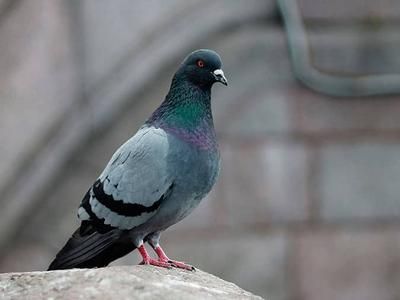
PigeonsThe feral pigeon is the number one urban pest bird. Large numbers exist in every city across the country. Not a native bird, feral pigeons are descendants of domestic homing pigeons brought over from Europe and released here in the 1600s. |
![]() |
SquirrelsA squirrel is one of many small or medium-sized rodents in the family Sciuridae. |
![]() |
SkunksSkunks are well recognized mammals that vary in size from about 15.6 to 37 inches and in weight from about 3 pounds to 15 pounds. They have a moderately elongated body with reasonably short, well-muscled legs, and long front claws for digging. |
![]() |
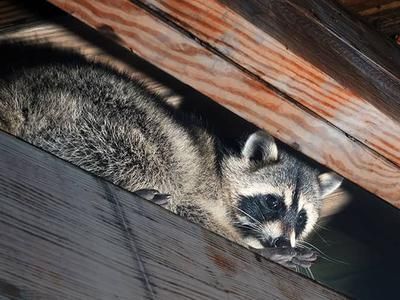
RaccoonsThe raccoon (Procyon lotor), is a well recognized medium-sized mammal native to North America. |