Blog
Watch Out For Wasps: Protect Your Family From Stinging Insects
August 6, 2010
![]() |
Wasps and bees will sting if they feel threatened, although wasps tend to be more aggressive, especially when they feel the need to protect their nests. |
The first thing to do is recognize exactly what type of insect you have infesting your property. Yellow jackets, bald faced hornets and paper wasps are the most common type of wasps that humans come in contact with, and they are mostly slender bodied and appear smooth skinned and shiny. Bees tend to be larger and fatter, with bodies that appear fuzzy with dashes of yellow and black, sometimes brown depending on the type. Wasps will dine on both insects and sweets such as nectar and man-made sugars, while bees feed mostly on nectar and any other sweets they can find. Both insects will sting if they feel threatened, but wasps tend to be more aggressive, especially when they feel the need to protect their nests.
Wasps and bees will build their nests in quiet, out of the way places, sometimes even underground in old rodent burrows and other ground cavities. They will build nests under the eaves of your house, around window frames and vents, on the beams and supports in your attic, in your garage, shed or barn. Because there is really no way to discourage bees and wasps from nesting on your property, it’s important to know how to avoid attracting bees and wasps from bothering you and your family. When you plan to eat outdoors, don’t put the food out until everyone is ready to eat- and make sure to put all the food away as soon as you are finished eating. Make sure to put all trash into a trash can with a tight fitting lid and if a food or drink spill occurs, clean it up immediately. Bees and wasps are attracted to food sources and will hover near people while food is available. If you are spending time outdoors, avoid using scented cosmetics and flowery perfumes; these can also attract stinging insects. If you have fruit bearing trees or bushes in your yard, keep the area around them clear of decaying fruit, as stinging insects may be attracted to the decaying fruits and berries. If you are working outside, avoid wearing loose fitting clothing and always wear shoes, socks and other clothing items that fully cover your body. If you are gardening, wear gloves and if you know that you will have an allergic reaction to a bee or wasp sting, have someone else do your gardening and yard work- don’t put yourself in danger just to get the grass cut or the weeds pulled from the garden! If you do find that you are being pursued by a stinging insect, try to avoid sudden and quick movements- this could threaten the bee or wasp that is pursuing you and cause it to be more aggressive. If you plan on spending a lot of time outdoors around your property this summer and fall, it’s a good idea to inspect your property for stinging insect nests. Our trained professionals know exactly where to look for these nests, and they are the best and safest option in bee and wasp nest removal.
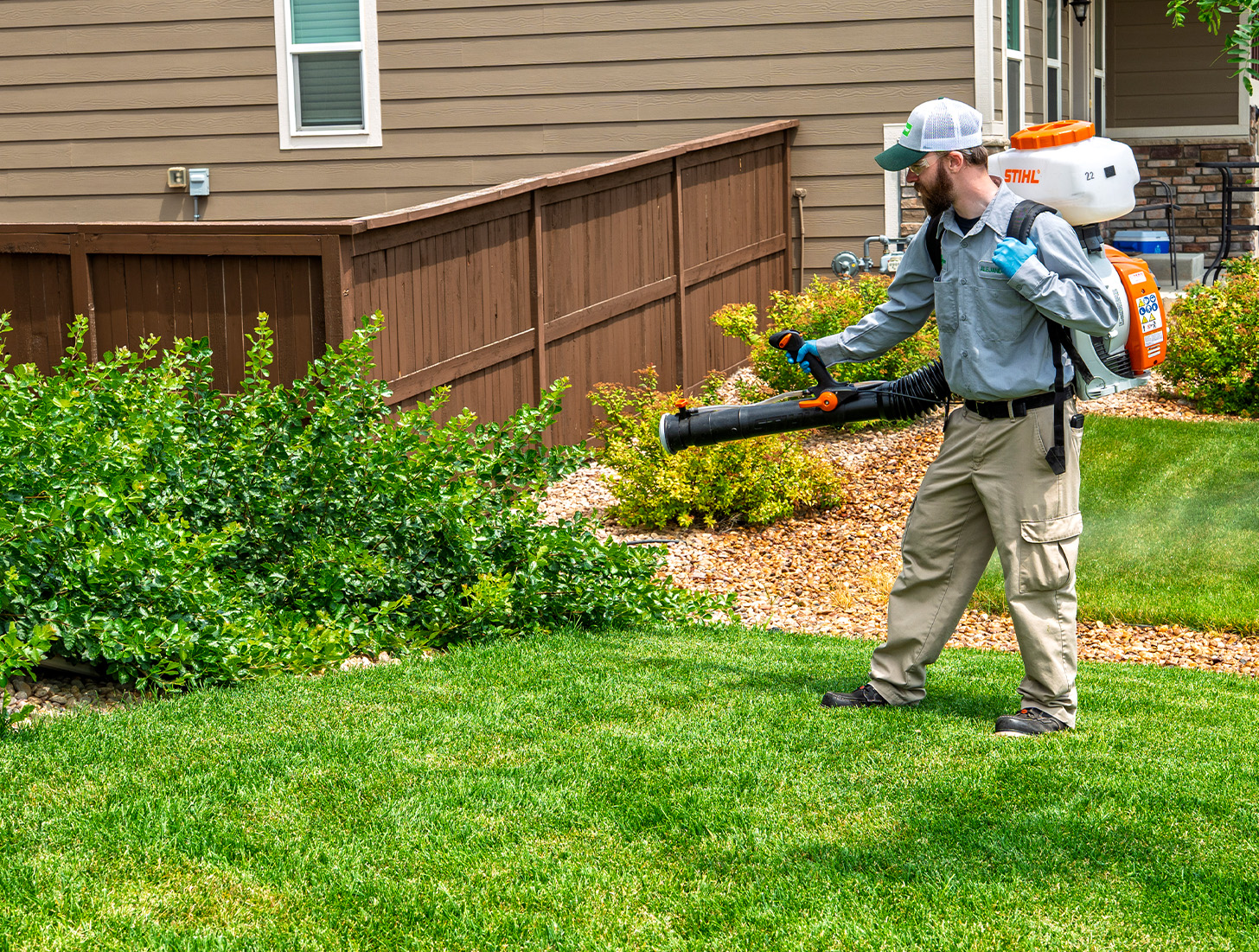
There are several things you should NEVER do if you find a wasp or bees nest on your property. You should know that often the chemicals you can buy at the local do-it-yourself store aren’t always completely effective- if too much chemical is sprayed onto a nest, this can act as a deterrent to the insects, and they will just rebuild their nests elsewhere. These chemicals can also hurt plants or trees in the vicinity and can destroy painted surfaces. Attempting to destroy a nest at night is also very dangerous- wasps and bees can follow the beam of a flashlight and find you at the other end. Wasps are NOT considered more docile during the evening hours, with some species actively hunting at night. Attempting to spray a nest with a hose or setting it on fire can also be very dangerous. This will not necessarily work to destroy the insects and could result in a swarm of wasps as they try to flee the nest. A disturbed nest can increase the aggressive nature of wasps, and innocent people could find themselves under attack as wasps swarm out of the nest. It’s also important to never block the entrance to a nest if you should locate one. Wasps will always find an alternative exit, and if the nest is inside your home, this could result in wasps chewing through wallboard and swarming into the living areas inside your home. Trying to get rid of wasps and bees on your own can have disastrous results, and even if you aren’t allergic to the sting of wasps or bees, a multitude of stings can lead to illness and even death. The very best thing you can do to get rid of a wasp or bee problem on your property is to contact our professionally trained pest control technicians. We have the tools and knowledge to safely destroy the offending insects without endangering you, your family or your home. To find out more about how we can help you get rid of bothersome bees and wasps, contact EnviroPest today.
Leave the first comment
- Recent Posts:
- January 16, 2012 -
Keep Your Pest Control Services Through The Winter - January 3, 2012 -
Pests and Your Health in the New Year - December 28, 2011 -
Look Out For Bed Bugs After The Holidays
- Blog Archive:
- 2012
- January 16, 2012 -
Keep Your Pest Control Services Through The Winter - January 3, 2012 -
Pests and Your Health in the New Year - 2011
- December 28, 2011 -
Look Out For Bed Bugs After The Holidays - December 6, 2011 -
Animals That Get In Your Attic - November 16, 2011 -
Hearing Things? Could Be A Mouse!